Sankt Augustin, Germany
- 56,094 people
- 14 places to visit
- 50.7735, 7.1851
Places to Visit (14)
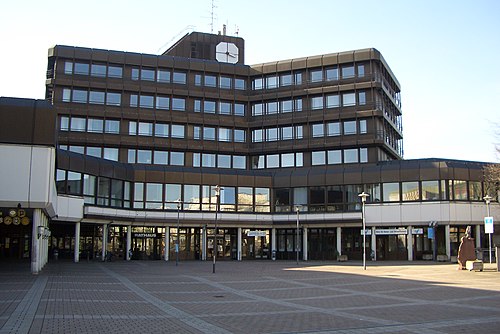
Sankt Augustin is a town located in the North Rhine-Westphalia region of Germany, situated about 20 kilometers southeast of Bonn. It is part of the Rhein-Sieg-Kreis district and has a strategic position within the broader Cologne/Bonn metropolitan area. Founded in 1969 from the merger of several smaller communities, Sankt Augustin has since grown into a vibrant town with a population of approximately 56,000 residents. The town's name is derived from the historic Augustinian monastery, which emphasizes its longstanding cultural and historical roots. The area features a mix of suburban living and green spaces, offering a high quality of life for its inhabitants.
The town is characterized by a range of architectural styles, with a blend of modern developments and well-preserved historical buildings. Sankt Augustin boasts several educational institutions, including universities and vocational schools, making it an attractive location for students and families alike. Furthermore, the town offers numerous recreational opportunities, including parks, sports facilities, and cultural events. Sankt Augustin’s strategic location allows for easy access to major cities such as Bonn and Cologne, enhancing its appeal as a residential area. Public transportation is well-developed, including bus and train services, which facilitates commuting and connectivity within the region. The town also hosts various events throughout the year, such as local markets and festivals, fostering a sense of community among its residents.
In terms of economy, Sankt Augustin has a diverse industrial base, with several companies operating in the areas of technology, manufacturing, and services. The town’s proximity to Bonn, a former capital of West Germany, further enriches its economic landscape by enabling collaboration with enterprises and institutions in the city. Overall, Sankt Augustin is a compelling blend of historical significance and modern living, making it a desirable place to live and work in Germany. The town’s mix of cultural heritage, educational opportunities, and economic vitality positions it as an integral part of the greater North Rhine-Westphalia region.
Facts about Sankt Augustin
- Sankt Augustin is part of the Bonn district in North Rhine-Westphalia and is known for its unique combination of urban and green spaces, making it a desirable place for commuters to Bonn.
- The city was established in the mid-20th century, officially becoming a town in 1969, which differentiates it from many older towns in the region with medieval or earlier historical roots.
- Sankt Augustin features the historic 'St. Augustin' church, a notable landmark that reflects the Romanesque architectural style, and serves as a central point for the city's cultural identity.
- The city is home to several prominent educational institutions, including the University of Applied Sciences Bonn-Rhein-Sieg, which contributes to its reputation as an educational hub in the region.
- Sankt Augustin hosts an annual 'Sankt Augustin City Festival', which showcases local culture, crafts, and food, fostering a strong community spirit distinct from larger city festivals in metropolitan areas.
- The city's strategic location along the A560 autobahn provides excellent connectivity to major German cities, appealing to both residents and businesses and distinguishing it from lesser-connected towns.
- Sankt Augustin has numerous parks and recreational areas, including the landscaped 'Gartenstadt' development, emphasizing a balance between urban living and nature, which is a hallmark of its community design.
- The city is known for its active sports scene, including facilities that host various regional tournaments, which sets it apart from other towns that may not have as extensive sports infrastructure.
- Sankt Augustin maintains historical ties to the nearby city of Bonn, having been influenced by Bonn’s historical significance as the former capital of West Germany.
- The 'Haus der Stille', a unique retreat and conference center in Sankt Augustin, focuses on promoting mindfulness and quiet reflection, contrasting with the bustling environments typically found in larger cities.