Sankt Pölten, Austria
- 21,911 people
- 9 places to visit
- 48.2045, 15.6307
Places to Visit (9)
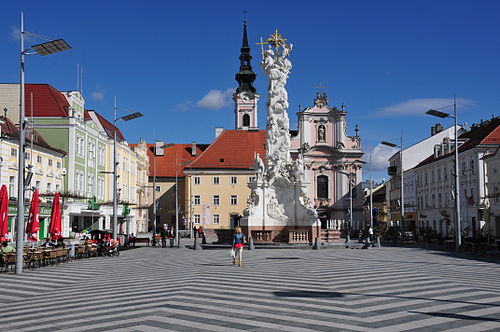
Sankt Pölten is the capital city of Lower Austria, located on the banks of the Traisen River, approximately 60 kilometers west of Vienna. With a history dating back to Roman times, the area was originally established as a military camp known as Aelium Cetium. Over centuries, Sankt Pölten evolved into a significant ecclesiastical center, particularly in the 10th century, when it became the seat of the Diocese of St. Pölten. The city was officially granted municipal rights in 1296 and has undergone various transformations, especially during the 19th century when industrialization spurred growth and modernization.
The city is renowned for its blend of historical and contemporary architecture, with notable landmarks such as the St. Pölten Cathedral, a stunning example of Baroque architecture completed in the 18th century. The city thrives on cultural activities, hosting numerous festivals and events throughout the year, including the St. Pölten Cultural Summer and the St. Pölten Festival of Theatre. Additionally, Sankt Pölten is an educational hub, home to the University of Applied Sciences and several other institutions of higher learning, contributing to a youthful and dynamic population. Its strategic location enhances its accessibility; the city is well-connected by rail and road, making it a favored destination for commuters traveling to Vienna and other parts of Austria.
Today, Sankt Pölten reflects a mix of tradition and innovation, exhibiting a vibrant economy supported by sectors such as technology, services, and tourism. The local government has invested in urban development projects aimed at enhancing quality of life, including parks, recreational facilities, and public transport. The city's commitment to sustainability and environmental consciousness is evident in its green spaces and initiatives to promote cycling and public transport. As it continues to develop, Sankt Pölten remains a city that honors its historical roots while adapting to modern challenges and opportunities.
Facts about Sankt Pölten
- Sankt Pölten is the capital city of Lower Austria, making it the youngest provincial capital in the country, having been designated in 1986.
- The city has a rich history dating back to Roman times, with significant archaeological findings at the site of the ancient Roman settlement of Aequiana.
- Sankt Pölten is home to the St. Pölten Cathedral, a stunning example of Baroque architecture that was constructed between 1717 and 1722.
- The city has a vibrant cultural scene and hosts the Sankt Pölten Festival, which celebrates local music, art, and film each summer.
- Sankt Pölten features an impressive modern architecture scene, with the Melkweg, a unique urban space designed by architect Wolfgang Tschapeller, showcasing contemporary design.
- The city is known for its extensive network of cycling paths, promoting sustainable transportation and outdoor recreation.
- Sankt Pölten boasts a rich musical heritage, being the birthplace of several prominent composers and musicians, including Franz Zeller and Joseph Vogl.
- The city hosts the Lower Austrian State Theatre, which is recognized for its diverse programming and contributions to the performing arts in the region.
- Sankt Pölten has been strategically important historically and was a key location during the Austrian Civil War in 1934.
- The city’s annual Christmas market is one of the oldest and most charming in the region, attracting visitors from across Austria.