Sanming, China
- 602,166 people
- 5 places to visit
- 26.2639, 117.6392
Places to Visit (5)
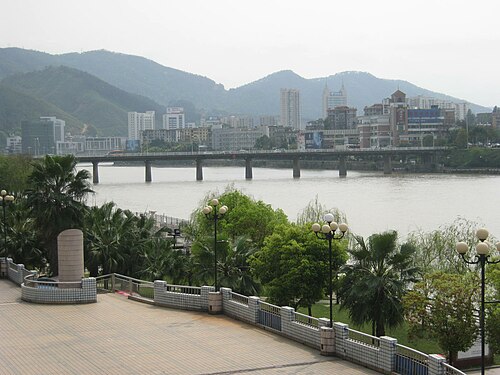
Sanming is a prefecture-level city located in the northeastern part of Fujian Province, China. The city covers an area of approximately 21,200 square kilometers and is home to a population of about 2.5 million residents. Sanming is characterized by its diverse geography, which includes mountain ranges, river valleys, and lush forests. The city is situated on the banks of the Min River and is surrounded by notable mountainous regions, including the Wuyi Mountains, a UNESCO World Heritage Site known for its scenic beauty and biodiversity.
Economically, Sanming has evolved from a predominantly agriculture-based economy to a more diversified one, with significant contributions from industries such as forestry, mining, and manufacturing. The region is rich in natural resources, including minerals like tungsten and tin, which have historically driven its industrial development. Additionally, the local government has invested in infrastructure projects to boost economic growth, including transportation networks that enhance connectivity with major cities in the region. Sanming also promotes eco-tourism, leveraging its natural landscapes and cultural heritage to attract visitors. The area is known for its historical sites, including ancient temples and traditional villages that reflect the rich cultural fabric of the region.
Sanming experiences a subtropical monsoon climate, with distinct seasons characterized by hot, humid summers and mild winters. The city's climate and natural resources contribute to its vibrant agriculture, with tea cultivation, fruit growing, and rice farming being prominent. The local government has also emphasized environmental protection, integrating sustainable development practices into urban planning and resource management. This careful balance of industrial growth and ecological preservation is pivotal to Sanming's long-term vision for development, making it an increasingly important city in Fujian Province and contributing to China's broader economic strategies.
Facts about Sanming
- Sanming is known for its unique karst landforms and abundant natural beauty, particularly in the Wuyi Mountain range, a UNESCO World Heritage site.
- The city has a rich cultural heritage, being home to the ancient 'Sanming Huang' drum dance, a traditional folk art that is distinctive to the region.
- Sanming was established during the Han Dynasty and has a history that dates back over 2,000 years, making it one of the older cities in Fujian Province.
- The Sanming Ming Dynasty Tombs are an important historical site, showcasing the architectural style and burial practices of the Ming Dynasty.
- Sanming is also known for its delicious cuisine, including local specialties such as Shaxian snacks, which have gained popularity beyond the region.
- In recent years, Sanming has been recognized for its efforts in ecological preservation, promoting sustainable development in its rapid urbanization.
- The city plays a significant role in the production of tea, particularly Wuyi Rock Tea, which is celebrated for its unique flavor and high quality.
- Sanming's unique climate, with a blend of humid subtropical and mountainous conditions, contributes to its diverse flora and fauna, attracting nature enthusiasts.
- Sanming has a vibrant Hakka culture, with many Hakka people residing in the area, and is known for its beautiful tulou (earthen buildings).
- The Sanming Folk Culture Festival is an annual event that showcases the region's traditional music, dance, and crafts, highlighting its rich cultural tapestry.