Sanok, Poland
- 39,684 people
- 12 places to visit
- 49.555, 22.2061
Places to Visit (12)
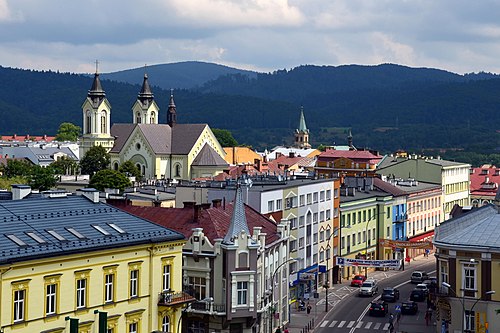
Sanok is a city located in southeastern Poland, nestled at the foot of the Bieszczady Mountains, in the Subcarpathian Voivodeship. With a population of approximately 38,000, it serves as an important cultural and economic center in the region. The city is situated at the confluence of the San and Strwiąż rivers, enhancing its picturesque landscape and historical charm. Sanok's history dates back to the early Middle Ages, and it is believed to have been founded around the 10th century. Throughout centuries, it has been influenced by various cultures due to its strategic location, particularly in trade routes connecting the East and West.
The city is known for its rich historical heritage, exemplified by the Sanok Castle, which dates back to the 14th century and houses the Museum of Folk Architecture. This open-air museum features traditional wooden architecture from the region, showcasing the craftsmanship and lifestyles of the area’s inhabitants throughout the ages. Additionally, Sanok is home to one of the largest collections of works by the renowned Polish artist Zdzisław Beksiński, whose surreal and emotive pieces draw art enthusiasts from around the globe. The city also boasts numerous churches, monasteries, and other landmarks that reflect its diverse religious history, including the iconic Gothic parish church and the Orthodox church built in the 19th century.
Sanok serves not only as a tourist destination but also as a hub for outdoor activities, attracting visitors seeking to explore the natural beauty of the surrounding Bieszczady Mountains. The region is popular for hiking, skiing, and wildlife observation, making it a desirable spot for nature lovers. In addition to its natural attractions, Sanok celebrates a vibrant cultural scene with local festivals, markets, and events that highlight traditional crafts and cuisine. This combination of rich history, artistic heritage, and stunning landscapes makes Sanok a unique and engaging city in Poland's diverse tapestry of urban life.
Facts about Sanok
- Sanok is known for its rich history, dating back to the early 12th century, and it has retained many medieval architectural features.
- The city is home to the Sanok Ethnographic Park (Skansen), one of the largest open-air museums in Poland, showcasing traditional architecture and folk culture.
- Sanok's Castle, a significant historical landmark, has been transformed into a museum displaying local history and art, making it a unique cultural site.
- The region surrounding Sanok is known for its natural beauty, including the picturesque Bieszczady Mountains, popular for hiking and outdoor activities.
- Sanok is recognized for its unique wooden churches, some of which are UNESCO World Heritage Sites, highlighting the region's religious and architectural heritage.
- Every summer, Sanok hosts the Sanok Culture and Art Festival, promoting local arts, crafts, and performances, which distinguishes it as a vibrant cultural hub.
- The city is famous for its annual painting competition, attracting artists from across the country to showcase their work inspired by the region.
- Sanok has a significant Jewish heritage, with remnants of Jewish life evident in historical documents and preserved sites, adding depth to its cultural landscape.
- The Sanok Racetrack, known for hosting horse racing events, is one of the oldest of its kind in Poland, making it a unique feature of the city.
- Sanok's location at the confluence of several rivers adds to its charm, providing scenic views and recreational opportunities along the waterways.