Sant Joan Despí, Spain
- 32,030 people
- 7 places to visit
- 41.3674, 2.0567
Places to Visit (7)
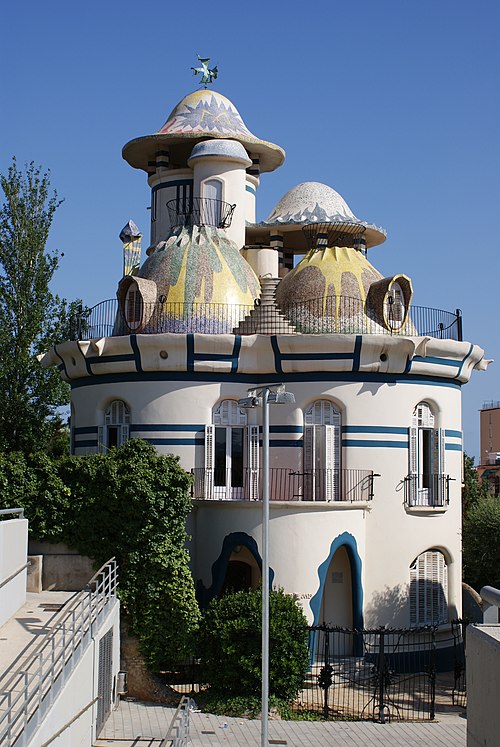
Sant Joan Despí is a municipality located in the province of Barcelona, part of the autonomous community of Catalonia, Spain. It lies approximately 10 kilometers southwest of the city of Barcelona and is well connected by public transportation, including the suburban rail network and local buses. This accessibility has made Sant Joan Despí an attractive residential area for those working in the larger urban center while still providing a distinct community atmosphere. The municipality covers an area of about 7.6 square kilometers and has a population exceeding 30,000 residents, reflecting a blend of modern urban life and historical heritage.
Historically, Sant Joan Despí traces its roots back to the Roman period, though significant development took place in the late 19th and early 20th centuries when industrialization began to transform the area. The town is known for its rich cultural offerings, including numerous parks and recreational areas, which provide a more tranquil environment compared to the bustling city of Barcelona. Notable landmarks include the Church of Sant Joan, a beautiful neo-Gothic structure, and the works of architect Joaquim Casamor, who designed several prominent buildings in the area. Furthermore, Sant Joan Despí is recognized for its progressive initiatives and community engagement in various sectors, including education and sustainability.
In recent years, Sant Joan Despí has focused on improving its quality of life, emphasizing green spaces, cultural activities, and social services. The town hosts various festivals and events that celebrate its rich Catalonian culture, such as the Festa Major, allowing locals and visitors alike to experience its vibrant traditions. The presence of educational institutions, from primary schools to secondary levels, further underscores the town's commitment to fostering an environment conducive to growth and development. Overall, Sant Joan Despí encapsulates a unique blend of historical legacy, community spirit, and modern convenience, making it a notable location in the region of Catalonia.
Facts about Sant Joan Despí
- Sant Joan Despí is known for its modernist architecture, particularly the works of architect Josep Maria Jujol, who collaborated closely with Antoni Gaudí.
- The city has a rich history dating back to Roman times, with archaeological remains highlighting its ancient roots.
- Sant Joan Despí is home to the only surviving example of a Romanesque church in the region, the Church of Sant Joan Baptista, which dates back to the 10th century.
- The annual 'Fira de la Primavera' (Spring Fair) features a variety of local crafts, food, and a vibrant celebration of spring, setting it apart from traditional festivals in other towns.
- It's known for the 'Parc de Torreblanca', a picturesque green space with gardens and playgrounds, making it a unique urban oasis in the metropolitan area of Barcelona.
- The city has been recognized for its commitment to sustainability and green city initiatives, winning awards for its eco-friendly policies.
- Sant Joan Despí hosts a unique annual event called 'Vine a Menjar palla!', where locals participate in traditional farming and food-related activities.
- The municipality's proximity to Barcelona allows it to serve as a suburban haven, combining the benefits of city living with a quieter, community-oriented atmosphere.
- The city is noted for its historical windmills, which were once integral to the agricultural processes in the region, distinguishing it from other urban areas in Spain.
- Sant Joan Despí is recognized for its sports facilities, including swimming pools and tennis courts, attracting athletes and sports enthusiasts from across the region.