Santa Ana, El Salvador
- 176,661 people
- 9 places to visit
- 13.9778, -89.5639
Places to Visit (9)
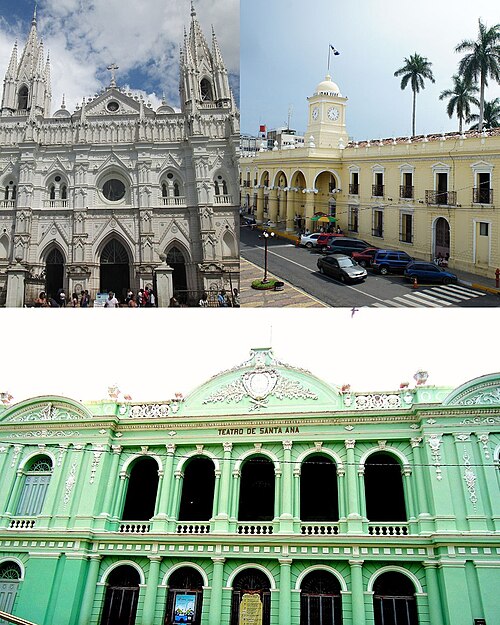
Santa Ana is a vibrant city located in western El Salvador, serving as the capital of the Santa Ana department. Known for its rich cultural heritage, Santa Ana is the second-largest city in the country, with a population of approximately 250,000 residents. The city is situated at an elevation of around 600 meters (2,000 feet) above sea level and is surrounded by picturesque mountains and lush coffee plantations. Founded in 1528, Santa Ana boasts a historical significance that is evident in its architecture and urban layout, characterized by colonial-era buildings, plazas, and churches.
A notable landmark in Santa Ana is the Santa Ana Cathedral, an exceptional example of neo-Gothic architecture completed in the early 20th century. Its striking facade and detailed stained-glass windows attract both locals and tourists. The city's main square, Plaza de Las Américas, is a hub of social activity and cultural events, serving as the venue for various festivities throughout the year. Santa Ana is also known for its contributions to Salvadoran literature, being home to several renowned writers. Moreover, the economy of Santa Ana relies heavily on agriculture, especially coffee production, complemented by commerce and industry in the region. As tourism grows, visitors are drawn to the nearby attractions, including the Coatepeque Lake, which is famous for its stunning blue waters and recreational opportunities.
In recent years, Santa Ana has also embraced modernization while striving to preserve its historical roots. As a center of education, the city hosts several universities and institutions, promoting academic growth and innovation. Santa Ana's unique blend of historical charm and contemporary development makes it an essential destination within El Salvador, reflecting the country's diverse culture and warm hospitality. The city’s strategic location, along with its significant cultural and natural attractions, continues to contribute to its development as an increasingly important urban center in Central America.
Facts about Santa Ana
- Santa Ana is the second largest city in El Salvador and is known for its vibrant cultural scene and historical significance.
- The Santa Ana Cathedral, a prominent landmark, showcases stunning neo-Gothic architecture and was completed in the early 20th century.
- Santa Ana is home to the Teatro de Santa Ana, one of the oldest theaters in Central America, which has hosted numerous cultural events since its inauguration in 1910.
- The city is renowned for its coffee production and is often referred to as the 'Coffee Capital' of El Salvador.
- Santa Ana is surrounded by the beautiful Izalco Volcano, often referred to as the 'Lighthouse of the Pacific' due to its numerous eruptions during the colonial period.
- The festival of the 'Virgen de la Asunción' is celebrated in August and is one of the most significant religious and cultural events in Santa Ana.
- Santa Ana features impressive Art Deco buildings from the early 20th century, reflecting the city's growth during this prosperous era.
- The city has a rich indigenous history and was the site of the ancient Nahuatl city of Aculhuaca, which dates back centuries.
- Santa Ana's economy benefits from its strategic location, being situated near important trade routes and highways connecting to the rest of the country.
- The city's central park, Parque Libertad, is a focal point for community activities and festivals, featuring lush gardens and historic monuments.