Santa Clara, Cuba
- 250,512 people
- 8 places to visit
- 22.4244, -79.9417
Places to Visit (8)
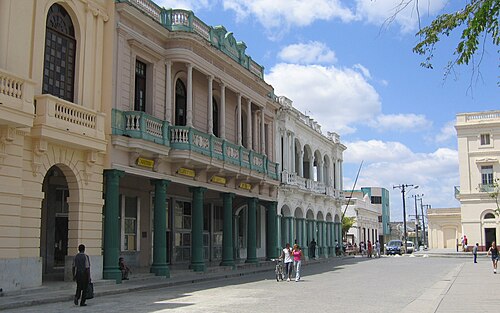
Santa Clara is a city located in central Cuba, serving as the capital of the Villa Clara province. Founded in 1689, it is known for its historical significance and vibrant culture. The city is strategically situated about 280 kilometers east of Havana and is recognized for its role in the Cuban Revolution, particularly for the pivotal Battle of Santa Clara in December 1958. This battle was led by Che Guevara and played a crucial role in the eventual triumph of revolutionary forces against the Batista regime. Santa Clara is now home to the mausoleum of Che Guevara, which attracts tourists and history enthusiasts from around the world.
The economy of Santa Clara is diverse, with agriculture, manufacturing, and tourism as key sectors. The region is known for producing sugarcane, tobacco, and coffee, contributing to the island's agricultural output. Additionally, the city is home to several educational institutions, including the prestigious Central University "Marta Abreu" of Las Villas, which fosters a vibrant academic community. Architecturally, Santa Clara features a blend of colonial and modern influences, with notable landmarks such as the Parque Vidal, a central square surrounded by historical buildings, and the Teatro La Caridad, one of the few remaining 19th-century theaters in Cuba. The city's rich cultural life is reflected in its numerous festivals, music, and dance, adding to its appeal as an important urban center in Cuba.
Facts about Santa Clara
- Santa Clara is known as the site of the decisive battle that led to the fall of the Batista regime in 1958, led by Che Guevara.
- The city features the iconic Che Guevara Mausoleum, which honors the revolutionary leader and is a significant site of pilgrimage for visitors.
- Santa Clara is home to the Parque Vidal, a vibrant public square that serves as a cultural hub for the city, featuring historical architecture and local performances.
- The city is recognized for its extensive historic railroad, which was instrumental in Cuba's railway expansion during the late 19th and early 20th centuries.
- Santa Clara is one of the few cities in Cuba where the original sugar mills, the backbone of the Cuban economy in the past, are preserved and still operational.
- In 2004, Santa Clara was designated a UNESCO World Heritage site due to its significance in Cuban revolutionary history.
- The city boasts the Teatro La Caridad, one of the oldest theatrical venues in Cuba, showcasing the rich cultural heritage of the area.
- Santa Clara hosts an annual international film festival, attracting filmmakers and audiences from around the world to celebrate cinema.
- The city is known for its unique blend of colonial and modern architecture, including landmarks like the Iglesia de San Juan Bautista, built in the late 19th century.
- While many Cuban cities are known for their coastal locations, Santa Clara is inland, granting it a distinct cultural and geographical identity.