Santa Fe, Argentina
- 391,164 people
- 15 places to visit
- -31.6107, -60.6973
Places to Visit (15)
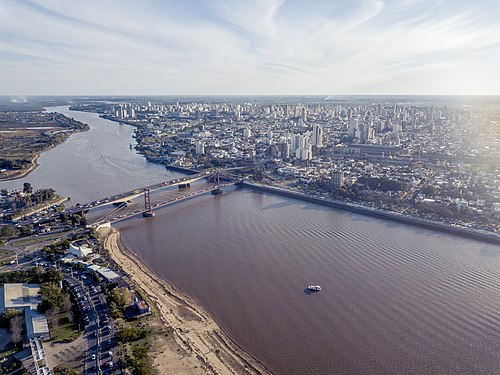
Santa Fe, the capital of the province of the same name, is a vibrant city located in northeastern Argentina. Situated along the banks of the Salado River and a short distance from its confluence with the Paraná River, Santa Fe plays a significant role in the region's agriculture and commerce. Founded in 1573 by Spanish explorer Juan de Garay, Santa Fe has a rich colonial history that contributed to its development as a cultural and economic hub. The city is characterized by its blend of Spanish colonial architecture, modern buildings, and numerous parks, offering both residents and visitors a picturesque urban environment.
The economy of Santa Fe is heavily influenced by its location within one of Argentina's most fertile agricultural regions. The province is a leading producer of grains, particularly soybeans, corn, and wheat. This agricultural abundance has led to the growth of an extensive agribusiness sector, with many industries focused on food processing and export. In addition to agriculture, Santa Fe has developed a strong industrial base, with companies engaged in various sectors, including manufacturing, construction, and technology. The city also serves as a critical transportation hub, with highway and rail links facilitating trade and movement to and from Buenos Aires and other major cities.
Culturally, Santa Fe offers a diverse array of attractions, including museums, theaters, and galleries that celebrate its artistic heritage. The city hosts several annual festivals that showcase its traditions, music, and gastronomic delights. Prominent sites include the National University of the Littoral, which contributes to the city's academic atmosphere, and the historic La Redonda, a former granary turned cultural center. Furthermore, Santa Fe's lively nightlife, vibrant street art scene, and culinary offerings reflect its dynamic and emerging identity. As a city that embraces its history while looking forward to the future, Santa Fe continues to shape the cultural landscape of Argentina.
Facts about Santa Fe
- Santa Fe is known for its rich history, being one of the oldest cities in Argentina, founded in 1573.
- The city is uniquely recognized for its strategic location at the confluence of the Salado and Paraná rivers.
- Santa Fe served as the capital of the Argentine Confederation from 1853 until 1861, making it an important political center during the 19th century.
- The 'Puente Colgante' (Hanging Bridge), constructed in 1924, is a notable landmark that connects Santa Fe with the city of Paraná, showcasing remarkable engineering of its time.
- It is home to the National University of Litoral, founded in 1919, which is one of the oldest and most prestigious educational institutions in the country.
- Santa Fe hosts the National Festival of Immigrants, celebrating the diverse cultural heritage of the city's residents and their ancestors.
- The city played a significant role in the Argentine War of Independence and is known for hosting several key historical events during that period.
- Santa Fe has a vibrant artistic scene, with numerous galleries, theaters, and museums, including the Contemporary Art Museum.
- The region is known for its unique culinary offerings, such as 'empanadas santafesinas,' which differ from those found in other Argentine provinces.
- The city has made headlines for its efforts in environmental sustainability, particularly through the establishment of green spaces and promoting eco-friendly initiatives.