Santa Maria CA, United States
- 105,093 people
- 13 places to visit
- 34.953, -120.4357
Places to Visit (13)
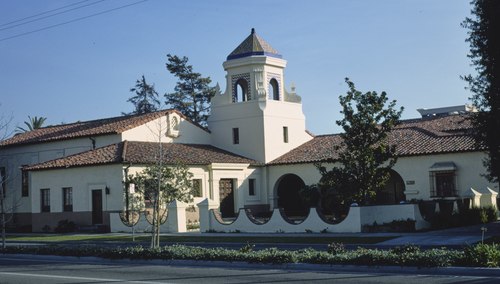
Santa Maria, located in Santa Barbara County, California, is a vibrant city known for its rich agricultural heritage, diverse population, and unique cultural offerings. With a population of approximately 107,000 residents as of the 2020 census, it is one of the largest cities in the Central Coast region. The city serves as a central hub for the surrounding agricultural areas, notably known for its production of strawberries, wine grapes, and other crops. Santa Maria has a Mediterranean climate, characterized by mild, wet winters and warm, dry summers, making it an ideal location for year-round agricultural activities.
The city's history dates back to the Chumash Native Americans, who thrived in the region for centuries before Spanish explorers arrived in the 18th century. The establishment of the area as an agricultural community began in the late 19th century, leading to its incorporation as a city in 1905. Today, Santa Maria retains a sense of its agricultural roots, as evidenced by its numerous farms, vineyards, and annual festivals celebrating local food and wine, such as the Santa Maria Valley Strawberry Festival. In addition to its agricultural economy, the city is recognized for its cultural diversity, with a significant Latino population that influences local cuisine, arts, and festivals.
Santa Maria is also home to several parks, recreational facilities, and community events that enhance the quality of life for its residents. The city has invested in public spaces like the Santa Maria River, where outdoor activities such as hiking, biking, and birdwatching are popular. Additionally, the Santa Maria Fairpark hosts a variety of events throughout the year, including the Santa Maria Fair, which features carnival rides, live entertainment, and agricultural exhibits. The local economy is bolstered by several industries, including education, healthcare, and retail, with Santa Maria being home to a branch of Allan Hancock College, which offers higher education and vocational training. Overall, Santa Maria stands out as a dynamic city that balances its agricultural legacy with growth and community development.
Facts about Santa Maria
- Santa Maria is known for its rich agricultural land, particularly for its strawberries and wine production, making it a key player in California's agricultural industry.
- The city is home to the Santa Maria-style barbecue, which is a unique style of cooking that features tri-tip beef cooked over an open flame and seasoned with a specific blend of spices.
- Santa Maria was originally settled in the mid-1800s and is named after the Santa Maria Valley, which was named by Spanish explorers in honor of the Virgin Mary.
- The city hosts the Santa Maria Valley Strawberry Festival every spring, celebrating the local strawberry harvest with entertainment, food, and activities.
- Santa Maria is home to the historic Santa Maria Inn, which has been in operation since 1917 and is known for its charming architecture and rich history.
- The Dunes Center, located in nearby Guadalupe, offers educational programs and exhibits about the unique coastal ecosystems of the area, distinguishing the region's commitment to conservation.
- Santa Maria has a vibrant arts scene, evidenced by the Santa Maria Civic Theatre, which is one of the oldest community theaters in California, providing cultural experiences for residents and visitors.
- The city is part of the larger Santa Maria Valley AVA (American Viticultural Area), known for its cool coastal climate, which is ideal for growing high-quality grapes.
- Santa Maria is the location of the largest international displays of the annual Santa Maria Valley Discover Santa Maria Festival, drawing visitors from nearby regions and beyond.
- The city has a strong military presence with Vandenberg Space Force Base nearby, contributing to the area's economy and technological advancements in aerospace.