Santa Marta, Colombia
- 499,192 people
- 11 places to visit
- 11.2403, -74.211
Places to Visit (11)
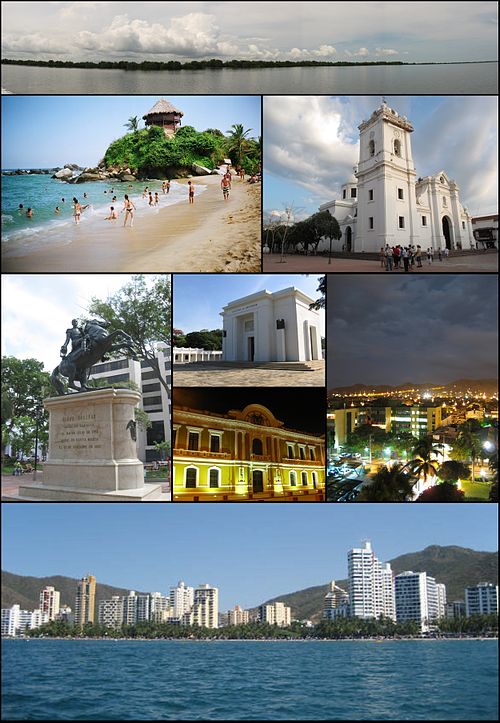
Santa Marta is a coastal city located in the Magdalena department of Colombia, on the northern Caribbean coast. Founded in 1525 by Spanish conquistador Rodrigo de Bastidas, it is considered the oldest surviving city in Colombia and the second oldest in South America. As a vibrant cultural hub, Santa Marta boasts a rich history that includes influences from indigenous tribes, Spanish colonialism, and African heritage. The city is known for its picturesque beaches, with popular spots such as Playa Blanca and Rodadero attracting both local and international tourists. Its strategic location at the foot of the Sierra Nevada mountains enhances its scenic beauty and provides access to a diverse range of ecosystems.
Santa Marta serves as a gateway to several national parks, most notably Tayrona National Park, which is renowned for its lush tropical rainforests, wildlife, and archaeological sites tied to the Tayrona civilization. The city is also recognized for its historical significance, featuring landmarks like the Cathedral of Santa Marta, the oldest cathedral in Colombia, and the Quinta de San Pedro Alejandrino, a former plantation where Simón Bolívar spent his last days. The local economy is largely driven by tourism, agriculture, and commerce, with the port of Santa Marta being one of the busiest in the country. Additionally, Santa Marta's warm climate, characterized by a tropical savanna climate, makes it an attractive destination year-round, contributing to its reputation as a vibrant center of culture and relaxation in Colombia.
Facts about Santa Marta
- Santa Marta is the oldest surviving city in Colombia, founded in 1525 by Spanish explorer Rodrigo de Bastidas.
- It is located on the Caribbean coast, making it a popular gateway to stunning beaches and natural parks such as Tayrona National Natural Park.
- Santa Marta is known for being the first capital of Colombia, and it played a significant role in the country's early history and independence.
- The city is home to the famous Quinta de San Pedro Alejandrino, the estate where Simón Bolívar spent his last days and passed away in 1830.
- Santa Marta features the Sierra Nevada, the highest coastal mountain range in the world, which is home to diverse ecosystems and indigenous communities.
- It hosts the International Festival of Jazz, attracting musicians and visitors from around the world, highlighting its cultural vibrancy.
- Santa Marta has a rich Afro-Colombian heritage, which is reflected in its music, cuisine, and local traditions.
- The city's historic center boasts colonial architecture, including the Cathedral of Santa Marta, which is one of the oldest churches in Colombia.
- Santa Marta is recognized for its coffee culture, being close to coffee-producing regions and offering visitors unique coffee experiences.
- It is a significant hub for eco-tourism, offering activities like hiking, birdwatching, and visiting indigenous villages.