Santa Pola, Spain
- 31,760 people
- 11 places to visit
- 38.1966, -0.5612
Places to Visit (11)
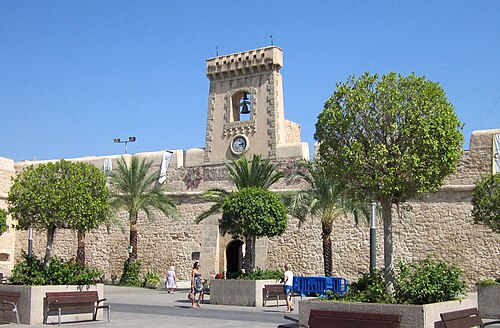
Santa Pola is a coastal town located in the province of Alicante, within the autonomous community of Valencia, Spain. Situated approximately 18 kilometers south of Alicante city, Santa Pola is nestled along the Costa Blanca, a region celebrated for its Mediterranean beaches and warm climate. With a population of around 33,000 residents, it is known for its vibrant local culture, rich history, and significant fishing industry. The town's economy primarily relies on tourism, fishing, and agriculture, with nearby salt flats contributing to its traditional salt production. This beachfront locale attracts numerous visitors each year due to its stunning coastline, vibrant promenade, and recreational activities, making it a favored destination for both local and international tourists.
Historically, Santa Pola has roots that trace back to the Romans, as evidenced by archaeological findings that include remnants of ancient structures and artifacts. One of the town's prominent historical landmarks is the 16th-century Fortress of Santa Pola, originally built to defend against pirate attacks. This fortress, alongside the bustling harbor, has become iconic symbols of the town’s maritime heritage. The nearby island of Tabarca, formerly a refuge for pirates, is also a popular day trip destination for visitors, offering picturesque beaches and opportunities for snorkeling and diving. The town hosts various cultural festivals throughout the year, including the annual Moors and Christians festival, which celebrates the historical conflicts between Christian and Moorish forces, showcasing vibrant parades, traditional music, and regional cuisine.
Santa Pola's natural beauty is complemented by the nearby Santa Pola Salt Flats, a unique ecosystem that is home to various bird species, making it an important site for birdwatching and conservation. The area features well-marked paths for hiking and cycling, allowing visitors to explore its rich biodiversity. The local gastronomy, heavily influenced by its coastal location, includes fresh seafood dishes and traditional recipes such as "arroz a banda," a flavorful rice dish cooked in fish broth. Overall, Santa Pola embodies a blend of history, culture, and natural beauty, making it an enticing destination for those seeking to experience the charm of Spain's Mediterranean coast.
Facts about Santa Pola
- Santa Pola is renowned for its beautiful sandy beaches, particularly the Playa de Levante, making it a popular beach destination on the Costa Blanca.
- The town is home to the ancient Roman salt pans, which date back to the 4th century BC, showcasing its historical significance in salt production.
- Santa Pola has a notable fishing port and is famous for its seafood, particularly its fresh Mediterranean fish, contributing to the local cuisine and economy.
- The annual festival 'Las Hogueras de San Juan' celebrates the summer solstice with fireworks, bonfires, and traditional music, attracting visitors from all over Spain.
- The iconic Torre de les Pans, a watchtower built in the 16th century, served as a lookout against pirate attacks and stands as a historical landmark.
- Santa Pola is located near the Tabarca Island, which is Spain's first Marine Reserve, promoting biodiversity and attracting divers and nature enthusiasts.
- The city has a unique salt museum, the 'Museo del Mar y de la Sal', which focuses on the region's salt production history and its impact on local culture.
- Santa Pola is one of the few places in Spain where the traditional practice of 'salinas' (salt flats) still thrives, preserving its cultural heritage.
- The town has a vibrant market, Mercado de Abastos, where visitors can experience local produce and crafts, enhancing the community's cultural life.
- With a rich history of Roman and medieval architecture, Santa Pola boasts several historical structures, including the Church of Our Lady of the Rosary, reflecting its diverse heritage.