Santa Rosa, Argentina
- 102,860 people
- 14 places to visit
- -36.6209, -64.2912
Places to Visit (14)
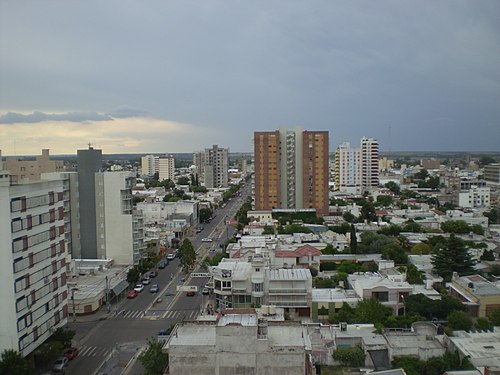
Santa Rosa is the capital city of La Pampa Province in Argentina, located in the central part of the country. Established in 1892, it serves as a significant administrative and economic center for the region. The city is situated at an elevation of approximately 472 meters (1,550 feet) above sea level, and it is known for its flat landscape characterized by vast plains. Santa Rosa enjoys a semi-arid climate, with hot summers and mild winters, which contributes to its agricultural productivity. The surrounding area is predominantly utilized for livestock and grain production, making Santa Rosa an important hub for agribusiness in Argentina.
The city's layout is marked by tree-lined streets and several parks, with notable green spaces such as Parque Don Tomás, which is a popular destination for recreational activities. Santa Rosa boasts various cultural attractions, including the Teatro Español, which hosts performances and cultural events, and the city is home to several museums that celebrate local history and art. Furthermore, Santa Rosa serves as a focal point for education in the province, housing multiple educational institutions and contributing to a growing population that currently numbers around 200,000 residents. The city is also well-connected by road and rail, facilitating transportation and commerce throughout the region. With its blend of cultural vitality, historical significance, and agricultural importance, Santa Rosa is a key player in Argentina's central landscape.
Facts about Santa Rosa
- Santa Rosa is the capital city of the La Pampa Province, making it a central administrative hub in the region.
- The city is known for its rich agricultural landscape and plays a significant role in Argentina's production of livestock and grains.
- Santa Rosa was founded in 1892 and named after the local Saint Rosa of Lima, which reflects its cultural heritage.
- The city is famous for hosting the International Festival of Art and Music, attracting artists and musicians from all over the country.
- Santa Rosa is home to the innovative and modern 'Centro Cultural de la Provincia de La Pampa', which supports local arts and culture.
- Unique to Santa Rosa, the city's landscape features artificial lakes and parks, such as Lago de Parque Don Tomás, offering recreational activities.
- The city combines a modern urban layout with historical architecture, including the Cathedral of Santa Rosa, which showcases neo-Gothic design.
- Santa Rosa has a strong tradition of rugby, being the birthplace of several prominent Argentine rugby players who have represented the national team.
- The city hosts the 'Tren Patagónico', a scenic train service that provides a unique travel experience through Patagonia's stunning landscapes.
- It has a vibrant local economy, particularly known for its textile industry, distinguishing it from many other cities in Argentina.