Santa Teresa del Tuy, Venezuela
- 278,890 people
- 8 places to visit
- 10.2709, -66.7041
Places to Visit (8)
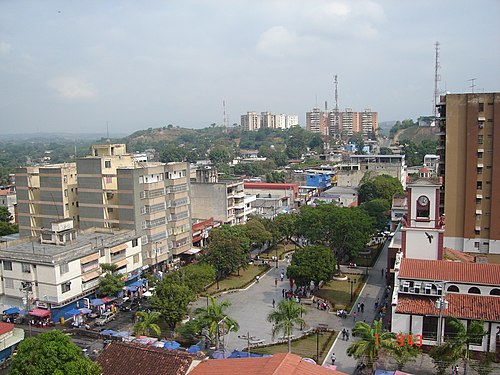
Santa Teresa del Tuy is a city located in the state of Miranda, Venezuela, serving as the capital of the Simón Bolívar Municipality. Founded in 1760, the city has historical significance and is known for its rich cultural heritage, blending colonial history with contemporary Venezuelan life. Its strategic location near the Tuy River and proximity to Caracas—the capital of Venezuela—have significantly influenced its development over the years. The city is an important local economic center that mainly engages in agriculture, commerce, and industry, with the cultivation of various crops such as coffee, sugarcane, and vegetables being prominent in the surrounding areas.
Santa Teresa del Tuy features a tropical savanna climate, characterized by a wet and dry season, which supports its agricultural activities. The city is notable for its vibrant community life and cultural festivities, often marked by traditional music, dance, and local cuisine. Annual celebrations, especially those related to its patron saint, contribute to the social cohesion of the community, making it a focal point for cultural exchange. In addition, Santa Teresa del Tuy is connected to the broader transportation network of Venezuela, with highways providing access to other major cities and regions. This connectivity enhances its role as a vital hub for trade and commerce, while also drawing visitors to its unique blend of historical and modern influences. The city's population, as part of the dynamic urban shift within Venezuela, continues to adapt to the changing political and economic landscape, navigating challenges while fostering local identity and resilience.
Facts about Santa Teresa del Tuy
- Santa Teresa del Tuy is known for its historic architecture, particularly the Church of Santa Teresa, which dates back to the colonial period.
- The city has a rich agricultural heritage, being situated in the Tuy valley, which is known for the production of various crops including sugar cane and coffee.
- Santa Teresa del Tuy is located approximately 30 kilometers southeast of Caracas, making it a key transit point for travelers heading into the interior of the country.
- The city celebrates the Festival of San Juan Bautista each year, which features vibrant parades and traditional music, reflecting the cultural diversity of the region.
- Santa Teresa del Tuy has a significant role in the Venezuelan electrical grid, thanks to the nearby Guri Dam, one of the largest hydroelectric dams in the world.
- The area around Santa Teresa del Tuy has archaeological significance, with evidence of indigenous settlements predating the arrival of European colonizers.
- In the 19th century, Santa Teresa del Tuy was an important site for the coffee trade, attracting merchants and farmers to the region.
- The local economy of Santa Teresa del Tuy has seen growth due to the textile industry, with several factories established in the city since the late 20th century.
- Santa Teresa del Tuy is home to various parks and natural reserves, making it a place for outdoor activities and eco-tourism within the Venezuelan urban landscape.
- The city has a diverse population and is known for its culinary traditions, blending flavors from indigenous, African, and European influences.