Santander, Spain
- 172,044 people
- 17 places to visit
- 43.4636, -3.8226
Places to Visit (17)
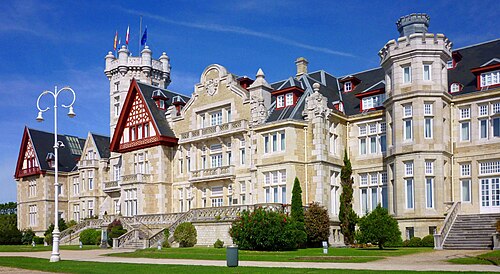
Santander, the capital of the Cantabria region in northern Spain, is a coastal city known for its picturesque landscapes, rich history, and vibrant cultural life. With a population of approximately 172,000 residents, Santander lies along the Bay of Biscay and is characterized by its beautiful beaches, such as Playa del Sardinero, and the scenic view of the surrounding mountains. The city is an essential port, historically significant as a key embarkation point for Spanish expeditions to the Americas. In the 18th century, it became a major trading center, and its development accelerated, particularly after the Plan de Ensanche in the late 19th century.
Culturally, Santander boasts various attractions, including the ornate Palacio de la Magdalena, which was built as a summer residence for the Spanish royal family in the early 20th century. The city is home to several museums, such as the Museo de Prehistoria y Arqueología de Cantabria, which displays archaeological finds from the region. Santander also hosts cultural events like the Festival Internacional de Santander, an annual celebration of the arts featuring music, dance, and theater from both local and international artists. The city's gastronomy is notable as well, with a focus on seafood, particularly anchovies, and traditional dishes like "rabas" (fried calamari). Overall, Santander embodies a harmonious blend of natural beauty, historical significance, and vibrant culture, making it a fascinating destination for both tourists and locals alike.
Facts about Santander
- Santander is known for its stunning bay, referred to as 'Bahía de Santander', which is one of the most beautiful in Spain and has been designated as a National Historic Site.
- The Palacio de la Magdalena, located on the La Magdalena peninsula, was built in the early 20th century and served as a summer residence for the Spanish royal family.
- Santander is home to the famous Botín Center, designed by the renowned architect Renzo Piano, which is a major cultural and artistic center that opened in 2017.
- The city has a rich maritime history, being a key port for trade and travel, and is a gateway for ferry services to the UK, particularly to Plymouth.
- Santander's annual Santander Music Festival showcases both national and international artists, making it an important event in Spain's music calendar.
- The city is also recognized for its gastronomy, especially for seafood dishes like 'rabia' and the renowned anchovies from the nearby Cantabrian Sea.
- Santander is the capital of the Cantabria region and is surrounded by stunning natural landscapes, including mountains and beaches, making it a popular destination for outdoor activities.
- In 1941, the city was the site of a significant fire that destroyed much of its historical architecture. The reconstruction led to a mix of modern and traditional designs in the cityscape.
- Santander hosts the Maritime Museum of Cantabria, which highlights the region's relationship with the sea and its rich maritime heritage.
- The Santander Ferries terminal is one of the oldest in Spain and signifies the long-standing maritime connections and trade routes established since the 13th century.