Santarém, Brazil
- 189,047 people
- 6 places to visit
- -2.4407, -54.7136
Places to Visit (6)
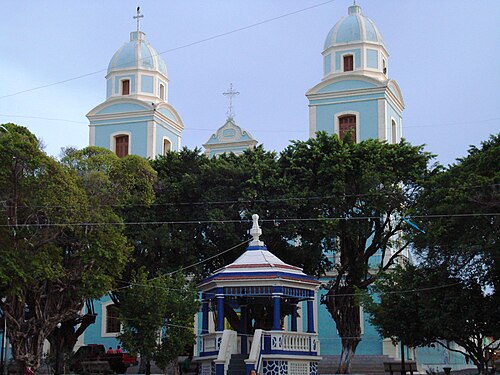
Santarém is a city located in the state of Pará, Brazil, positioned at the confluence of the Tapajós and Amazon rivers. It serves as an important urban center in the northern region of the country and is known for its rich cultural heritage, historical significance, and natural beauty. Founded on July 18, 1661, Santarém has undergone substantial transformations throughout its history, evolving from a small settlement into a bustling city with a population of approximately 300,000 residents. The city plays a crucial role in the economy of Pará, primarily through agriculture, fishing, and tourism, showcasing a blend of traditional and contemporary lifestyles influenced by the diverse cultural backgrounds of its inhabitants, including indigenous, Portuguese, and Afro-Brazilian communities.
The city's economy thrives on its agricultural output, with products such as cassava, rice, and tropical fruits being pivotal to local commerce. Furthermore, Santarém serves as a key logistical hub for exports due to its strategic location along major waterways. Tourism is another significant sector, with visitors drawn to the city’s natural attractions, including the enchanting meeting of the muddy waters of the Amazon River and the clear waters of the Tapajós River, famously known as the "Meeting of Waters." Santarém is also close to stunning destinations like Alter do Chão, often referred to as the "Caribbean of the Amazon" for its picturesque beaches and clear waters. The city hosts various cultural festivals, notably the Festival of Our Lady of the Conception, which reflects its deep-rooted religious traditions and attracts tourists with vibrant parades and local cuisine.
Despite its growth and modernization, Santarém maintains a strong connection to its historical roots. The city is home to several architectural landmarks, including colonial-era churches and historical buildings that tell the story of its past. Cultural initiatives and social programs are increasingly important as Santarém seeks to balance development with the preservation of its unique identity. As a city that embodies the complexities of the Amazon region, Santarém continues to evolve while celebrating its rich history, diverse culture, and breathtaking natural landscapes, making it a noteworthy destination in Brazil.
Facts about Santarém
- Santarém is known for its unique geographical position at the confluence of the Tapajós and Amazon rivers, which gives it a distinctive 'Meeting of Waters' phenomenon.
- The city's history dates back to the 16th century, established by the Portuguese, making it one of the oldest cities in the Brazilian Amazon region.
- Santarém is home to the beautiful Alter do Chão beach, often referred to as the "Caribbean of the Amazon," featuring white sand and clear blue waters.
- It is famous for its annual Festa do Sairé, a traditional festival celebrating local culture, featuring processions, music, and dance, uniquely blending indigenous and Christian elements.
- Santarém has a significant archaeological heritage, with archaeological sites like the Marajó and Tapajós, showcasing ancient civilizations that thrived in the Amazon.
- The city is a key base for ecotourism, attracting visitors interested in exploring the stunning natural environments of the Amazon rainforest and its diverse wildlife.
- Santarém's economy is notably driven by agriculture, particularly the production of guaraná, a plant used in energy drinks, highlighting its agricultural significance.
- The iconic 18th-century Church of Nossa Senhora da Conceição is a prominent landmark, known for its baroque architecture and historical importance in the region.
- Santarém has a diverse population that reflects a rich mixture of indigenous, Portuguese, and other immigrant cultures, making its cultural scene vibrant and eclectic.
- The city is also recognized for its contribution to the production of artisanal handicrafts, particularly from local raw materials, which include fabrics and ceramics.