Santiago, Chile
- 4,837,295 people
- 20 places to visit
- -33.4489, -70.6693
Places to Visit (20)
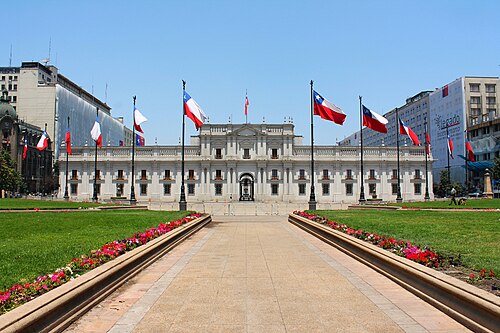
Santiago, the capital of Chile, is a vibrant metropolis located in the central part of the country, nestled in a valley surrounded by the Andes Mountains. Founded in 1541 by the Spanish conquistador Pedro de Valdivia, Santiago serves as the political, cultural, and financial heart of Chile. With a population exceeding 7 million people, it is the largest city in the country and one of the most important urban centers in South America. Santiago combines a rich history with modern urban development, featuring a blend of colonial architecture, contemporary skyscrapers, and expansive parks. The city is known for its efficient public transportation system, which includes the Metro de Santiago, making it relatively easy for residents and visitors to navigate its extensive urban landscape.
Culturally, Santiago boasts a diverse array of museums, theaters, and galleries that reflect the Chilean identity and heritage. Notable cultural sites include the Museo Nacional de Bellas Artes, which showcases Chilean and international art; the Centro Cultural La Moneda, integrating contemporary art and culture into the historic government building; and the vibrant Bellavista neighborhood, known for its bohemian atmosphere and street art. Santiago also hosts various festivals and events throughout the year, celebrating everything from music to gastronomy, with an eclectic culinary scene that merges traditional Chilean flavors with international influences. Additionally, its strategic location allows easy access to the Andes for skiing in the winter and the Pacific coastline for beachgoers year-round, making Santiago a pivotal hub for both business and tourism in Chile.
Facts about Santiago
- Santiago is the capital and largest city of Chile, serving as the political, cultural, and financial heart of the country.
- The city is situated in a valley surrounded by the Andes mountains, providing stunning natural scenery and opportunities for winter sports.
- Santiago is home to the historic Plaza de Armas, the city's main square, which was established in 1541 and serves as a central hub for social and cultural events.
- The Palacio de La Moneda, the presidential palace, is located in Santiago and is an important symbol of Chilean government and history.
- Santiago has a diverse culinary scene, with a unique blend of traditional Chilean dishes and international flavors, setting it apart from smaller towns.
- The city has a well-developed public transport system, including a comprehensive metro network, which is one of the most extensive in South America.
- Santiago is recognized for its vibrant cultural scene, hosting events like the Santiago a Mil Theater Festival, which attracts international artists annually.
- The Metropolitan Park of Santiago is one of the largest urban parks in the world, featuring the iconic San Cristóbal Hill that offers panoramic views of the city.
- Santiago's economy is the strongest in Chile, with significant contributions from industries such as finance, mining, and technology.
- The city has several prestigious universities, including the University of Chile and Pontifical Catholic University of Chile, making it an educational center in the region.