Santiago del Estero, Argentina
- 252,192 people
- 15 places to visit
- -27.7834, -64.2642
Places to Visit (15)
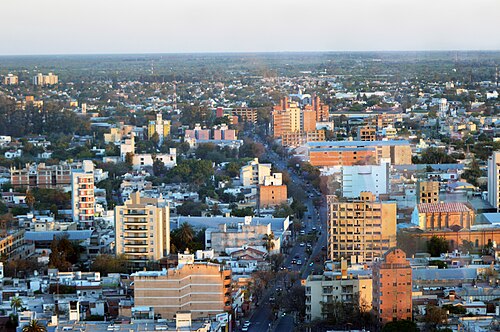
Santiago del Estero is a city located in the northwest region of Argentina, serving as the capital of Santiago del Estero Province. Founded in 1553 as the first Spanish city established in the interior of the country, it has a rich historical background that reflects its colonial past. The city sits on the banks of the Dulce River, roughly 1,000 kilometers from Buenos Aires, and has a population of approximately 250,000, making it one of the most populous cities in the northwestern part of Argentina. Its strategic location not only facilitates commerce and transportation but also positions it as an important cultural and administrative hub in the region.
The city is known for its hot and dry climate, characterized by high temperatures during the summer months. Santiago del Estero possesses a unique cultural identity, reflecting a blend of indigenous and Spanish influences. This heritage is evident in its numerous historical monuments, such as the Church of San Francisco and the Santiago del Estero Cathedral, which feature colonial architecture. Additionally, the city is famous for its traditional folklore music and dances, especially the zamba, which are celebrated during local festivals and gatherings. The annual Festival Nacional del Folklore, held in the nearby town of Cosquín, highlights this rich cultural tradition. Santiago del Estero's economy is primarily based on agriculture, livestock, and services, with the fertile lands surrounding the city supporting crops like soybeans, maize, and tobacco. The region is also noted for its production of artisanal products, particularly traditional textiles and pottery, showcasing the craftsmanship of local artisans.
In recent years, Santiago del Estero has undertaken various infrastructure and urban development projects aimed at improving the quality of life for its residents and enhancing its attractiveness as a tourist destination. These initiatives reflect a commitment to preserving the city's heritage while promoting modern growth. As a result, the city continues to attract visitors, offering a variety of cultural experiences and opportunities to explore its historical sites, vibrant local markets, and exceptional gastronomy, which includes typical dishes such as empanadas and locro. Santiago del Estero is not just a gateway to Argentina's past, but also a city in motion, adapting to contemporary challenges while celebrating its distinctive traditions.
Facts about Santiago del Estero
- Santiago del Estero is one of the oldest cities in Argentina, founded on July 25, 1553, by Spanish Conquistador Francisco de Aguirre.
- The city is often referred to as the 'Mother of Cities' because it is the first city founded in the northwest of Argentina and the second in the entire country.
- Santiago del Estero is known for the 'Santiago del Estero Festival of the Chacarera,' which celebrates traditional folk music and dance, showcasing the region's rich cultural heritage.
- The city features the historic Cathedral of Santiago del Estero, which dates back to the 16th century, making it an important architectural and religious landmark.
- Santiago del Estero is famous for its hot springs, particularly in the nearby region of Termas de Río Hondo, which is a popular spa destination and hosts a number of wellness resorts.
- The city is located in the heart of the Argentine economic region known as the 'Noa' (Northwest Argentina), which is characterized by its agricultural production, particularly in crops like cotton and tobacco.
- Santiago del Estero has unique local culinary traditions that include dishes like 'empanadas' and 'locro', often infused with indigenous ingredients and flavors.
- The city is also home to the National Folklore Festival, held annually in February, which attracts artists and visitors from all over the country and celebrates Argentina's diverse folklore.
- The Universidad Nacional de Santiago del Estero, established in 1975, plays a key role in education and research in the region, contributing to its academic landscape.
- Santiago del Estero has a distinct climate, classified as semi-arid with hot summers and mild winters, which sets it apart from other Argentine cities that may experience more humidity or temperature variation.