São Luís, Brazil
- 917,237 people
- 17 places to visit
- -2.5307, -44.2989
Places to Visit (17)
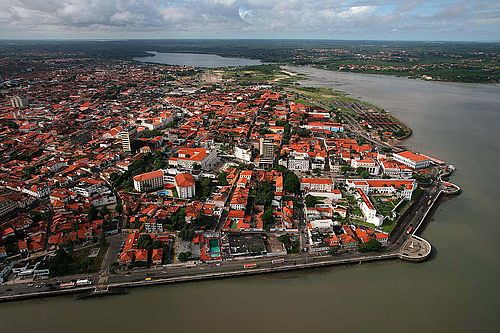
São Luís is the capital of the state of Maranhão in Brazil, situated on the country's northeastern coastline. Founded in 1612 by French colonists, the city was named after King Louis XIII of France. It is strategically located on an island, at the mouth of the Baía de São Marcos, and is known for its complex mix of cultures, reflecting a history shaped by Portuguese, African, and Indigenous influences. The city was later captured by the Portuguese and officially established as a colonial town, which is evident in its architecture and cultural heritage. Today, São Luís boasts a well-preserved historic center recognized as a UNESCO World Heritage Site, featuring colonial buildings adorned with vibrant azulejos (ceramic tiles) that showcase the Portuguese architectural style.
The city is renowned for its rich cultural scene, particularly in music, dance, and festivities. São Luís is celebrated for the "Bumba Meu Boi" festival, an iconic folkloric tradition characterized by vibrant parades, music, and dance, which takes place annually in June and attracts thousands of visitors. The local cuisine reflects the diverse cultural influences, offering dishes such as arroz de cuxá, made with local herbs and served with fish or meat. Additionally, São Luís is surrounded by natural beauty, including beautiful beaches like São Marcos and Lagoa da Jansen, as well as access to nearby ecological reserves and the Lençóis Maranhenses National Park, known for its stunning sand dunes and lagoons. Overall, São Luís is a unique blend of history, culture, and natural beauty, making it an important destination in Brazil.
Facts about São Luís
- São Luís is the only Brazilian city founded by French colonists, established in 1612.
- The city is known for its well-preserved colonial architecture, with over 3,500 colonial buildings, earning it a place on UNESCO's World Heritage List.
- São Luís is famous for its unique blend of European and Afro-Brazilian cultures, which is reflected in its music, cuisine, and festivals.
- The city is home to the largest number of azulejos (ceramic tiles) in Brazil, showcasing intricate designs that adorn many of its buildings.
- São Luís hosts the Bumba Meu Boi festival, one of the most important popular festivals in Brazil, celebrated with music, dance, and folklore every June.
- The city has a unique natural phenomenon known as 'lençóis maranhenses,' vast sand dunes that create beautiful lagoons during the rainy season, located nearby.
- São Luís is the capital of the Maranhão state and is the only Brazilian capital located on an island, specifically on the Island of São Luís.
- The city has a vibrant culinary scene, known particularly for its seafood dishes and the unique local dish called 'arroz de cuxá,' made with local herbs.
- São Luís is recognized as the 'City of Laughter' because of its lively street performances and the famous 'Bumba Meu Boi' tradition that combines humor and storytelling.
- The city has a strong literary tradition, being the birthplace of renowned Brazilian writers like Gonçalves Dias and Humberto de Campos.