São Paulo, Brazil
- 12,400,232 people
- 19 places to visit
- -23.5558, -46.6396
Places to Visit (19)
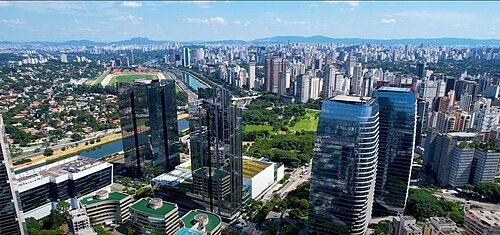
São Paulo, the largest city in Brazil and one of the most populous in the world, is a vibrant metropolis known for its cultural diversity, economic significance, and unique urban landscape. Founded in 1554 by Jesuit priests, the city has grown exponentially, becoming a major center for finance, commerce, and industry in South America. With a population exceeding 12 million people in the city proper and over 21 million in the metropolitan area, São Paulo holds a crucial role as a melting pot of cultures, with significant Italian, Japanese, Arab, and Portuguese communities. This multicultural tapestry is reflected in the city's cuisine, festivals, and neighborhoods, making it a dynamic hub for artistic expression and social interaction.
The city's skyline is a mix of modern skyscrapers and historic architecture, showcasing a blend of styles from different eras. Landmarks such as the São Paulo Cathedral, the Copan Building designed by Oscar Niemeyer, and the bustling Avenida Paulista exemplify its architectural richness. São Paulo is also recognized for its cultural institutions, including the São Paulo Museum of Art (MASP) and the Municipal Theatre, which contribute to a vibrant arts scene characterized by music, theatre, and visual arts. The city hosts various international events, most notably the São Paulo Art Biennial and the São Paulo Fashion Week. Additionally, it is an essential economic powerhouse, contributing to a significant portion of Brazil's GDP and being home to numerous multinational corporations and financial institutions. Despite its challenges, such as traffic congestion and social inequality, São Paulo remains a city of opportunities and a crucial driver of Brazil's growth and development.
Facts about São Paulo
- São Paulo is the largest city in Brazil and one of the largest in the world, with a population exceeding 12 million people.
- The city is known as the financial and economic hub of Brazil, housing the São Paulo Stock Exchange, which is the largest in Latin America.
- São Paulo hosts the São Paulo Art Museum (MASP), which is famous for its unique modernist architecture and extensive collection of Western art.
- The city has a diverse cultural scene, with influences from Italian, Japanese, Arab, and African communities, reflected in its cuisine and festivals.
- São Paulo is home to the world’s largest annual gay pride parade, which attracts millions of participants and visitors each year.
- The city's Avenida Paulista is one of the most iconic streets in Brazil, lined with cultural institutions, shopping centers, and corporate headquarters.
- São Paulo is the birthplace of the famous Brazilian football club, São Paulo FC, and has a passionate football culture with several major clubs.
- The city hosts the renowned São Paulo Fashion Week, which is the largest fashion event in Latin America, showcasing local and international designers.
- São Paulo is known for its extensive public transportation system, including the largest metro system in Brazil that serves millions daily.
- The city's historic center is home to significant landmarks, including the São Paulo Cathedral, and the Martinelli Building, which was the tallest building in South America when completed in 1934.