São Tomé, Sao Tome and Principe
- 53,300 people
- 8 places to visit
- 0.3376, 6.7299
Places to Visit (8)
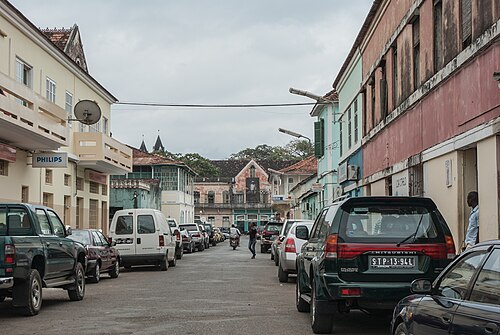
São Tomé is the capital and largest city of São Tomé and Príncipe, an island nation located in the Gulf of Guinea, off the western coast of Central Africa. Founded in 1485, São Tomé is situated on São Tomé Island, which is the larger of the two main islands that make up the country. The city has a population of approximately 70,000 residents and serves as the political, cultural, and economic center of the nation. Its location offers stunning views of the Atlantic Ocean, with a tropical climate characterized by distinct wet and dry seasons. The city features a mix of colonial-era architecture, reflecting its Portuguese heritage, and modern buildings, thus portraying a dynamic urban landscape.
São Tomé's economy is primarily based on agriculture, with the cultivation of cocoa and copra (dried coconut flesh) playing significant roles. The country was once one of the largest cocoa producers in the world, and this agricultural legacy is still evident today. In addition to agriculture, tourism has begun to gain traction, thanks to the city's rich biodiversity, breathtaking landscapes, and vibrant culture. Tourists are drawn to the area's beautiful beaches, lush rainforests, and historical sites, including colonial-era churches and forts. Moreover, São Tomé is known for its lively markets, where visitors can experience local crafts, food, and the island's rich cultural blend of African and Portuguese influences. As the capital, São Tomé not only reflects the past but also embodies the hopes and aspirations of the nation's future development.
Facts about São Tomé
- São Tomé is the capital and largest city of São Tomé and Príncipe, located on the island of São Tomé.
- The city is known for its colonial architecture, with many buildings showcasing Portuguese-style designs from the 15th to 19th centuries.
- São Tomé is home to the historic Roça São João, an old cocoa plantation that reflects the country's history of cocoa production.
- The city serves as the political and economic center of the country, housing the government institutions and main businesses.
- São Tomé has a vibrant cultural scene, marked by music festivals such as the Festival of Arts and Culture, held annually to celebrate local traditions.
- The city's natural harbor, Porto da Cidade, is one of its most significant geographical features, vital for trade and transportation.
- São Tomé features the Igreja de Nossa Senhora da Graça, a notable church that dates back to the late 19th century, which serves as a landmark for the city.
- The city offers stunning seaside views and is a gateway to beautiful beaches like Praia das Conchas and Praia do Porto Alegre.
- São Tomé has a rich biodiversity, with nearby nature reserves like Obo National Park, which are accessible from the city, attracting eco-tourism.
- The city has a unique dish known as Calulu, which represents the fusion of African and Portuguese culinary influences, making it popular among locals and visitors.