Sari, Iran
- 255,396 people
- 5 places to visit
- 36.5659, 53.0586
Places to Visit (5)
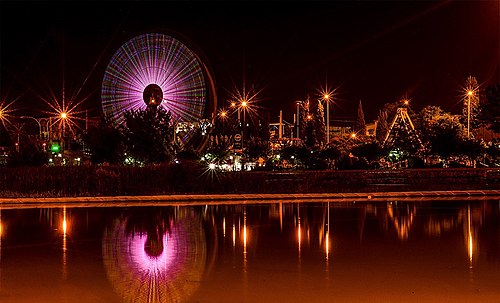
Sari is the capital city of Mazandaran Province in northern Iran, situated at the foothills of the Alborz mountain range and adjacent to the Caspian Sea. With a history dating back over 3,000 years, Sari has been an important cultural and economic center in the region. Historically known as "Shahr-i-Naw" (New City), Sari served as a significant stop on the trade routes connecting the Caspian region to other parts of Persia. The city has experienced various historical influences, including Persian, Mongol, and Islamic, which have shaped its architecture and cultural landscape.
The city boasts several historical sites, including ancient ruins, traditional bazaars, and mosques. One notable landmark is the Cathedral of Sari, which reflects the city’s diverse religious heritage. Additionally, Sari is surrounded by lush natural landscapes, featuring forests, rivers, and the scenic shores of the Caspian Sea, making it an attractive destination for eco-tourism. The region’s mild climate supports agriculture, particularly the cultivation of rice, tea, and various fruits, making it a vital agricultural area in Iran. The local economy is further bolstered by tourism, with visitors drawn to its natural beauty and historical significance, contributing to a favorable quality of life for its inhabitants.
Sari is well-connected to other major cities in Iran through an extensive network of roads and railways, facilitating trade and travel. The city is also home to several universities and educational institutions, promoting a thriving academic environment. Over the years, Sari has maintained its identity as a blend of historical charm and modern development, attracting both domestic and international visitors. With a population of approximately 200,000, the city reflects the rich cultural tapestry of Iran, balancing traditional values with contemporary influences, ensuring its role as a vibrant center in the region for years to come.
Facts about Sari
- Sari is the capital of Mazandaran Province in northern Iran, uniquely positioned near the Caspian Sea.
- The city has a rich history that dates back over 3,000 years, and it was an important center during the Achaemenid Empire.
- Sari is notable for its lush green landscapes and mild climate, making it a popular destination for nature lovers and tourists.
- The city is home to the historic Jame Mosque of Sari, which features stunning Islamic architecture and intricate tile work dating back to the Seljuk period.
- Every summer, Sari hosts the Festival of the Caspian Sea, celebrating local culture, traditions, and seafood cuisine that is distinct to the area.
- Sari is famous for its agricultural products, especially rice and citrus fruits, contributing to its reputation as a significant agricultural hub in Iran.
- The city is known for the ancient Turan Wildlife Refuge, which is home to diverse wildlife, including the endangered Persian leopard.
- Sari has a vibrant cultural scene with traditional music and dance, particularly the local performances of Mazandarani folk music.
- The city boasts a unique culinary heritage, with local dishes such as 'Mahi-e-Sari' (fish from the Caspian Sea) and various rice dishes that reflect the region's gastronomy.
- Sari was the birthplace of several notable Persian poets and philosophers, contributing to its rich intellectual and cultural legacy.