Sariwŏn, North Korea
- 310,100 people
- 2 places to visit
- 38.5023, 125.7516
Places to Visit (2)
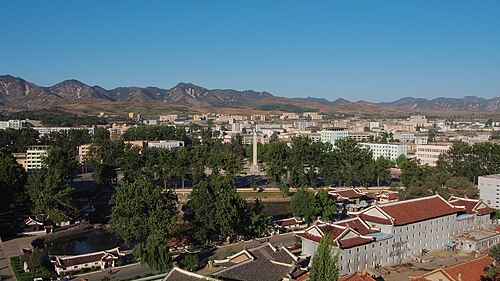
Sariwŏn is a city located in the North Hwanghae Province of North Korea, positioned approximately 90 kilometers south of the capital, Pyongyang. As an economically significant urban center, Sariwŏn serves as the administrative and cultural hub of its province. The city has a population of around 300,000 residents and is known for its flat landscape, which is ideal for agriculture, particularly rice and corn cultivation. This agricultural focus has historically positioned Sariwŏn as a key contributor to North Korea's food supply. The region offers fertile farmland and is often seen as an important area for food production within the country.
Sariwŏn is also recognized for its historical and cultural sites, including the Sariwŏn Revolutionary Site and the Kwangbok District. The city has a number of parks and museums that celebrate its revolutionary heritage, reflecting the larger narrative of North Korean ideology and its emphasis on the legacy of Kim Il-sung. Architecturally, Sariwŏn showcases typical North Korean designs with wide boulevards, public monuments, and communal spaces. The city's infrastructure has been developed to accommodate both residential needs and the tourism sector, despite the broader economic challenges faced by North Korea. As a result, Sariwŏn not only plays a significant role in agricultural production but also seeks to preserve cultural traditions while fostering a sense of national pride through its historical context.
Facts about Sariwŏn
- Sariwŏn is known for being the capital of North Hwanghae Province, making it a significant administrative center in North Korea.
- The city features the famous Yanggakdo Hotel, which is one of the few hotels in North Korea that caters to international tourists.
- Sariwŏn has a rich agricultural background, with the surrounding area being one of the country's key farming regions, particularly for rice.
- The city is home to the historical Sariwŏn Revolutionary Site, which commemorates events from the Korean War and the Korean Workers' Party.
- One of Sariwŏn's unique features is the Sariwŏn Amusement Park, a rarity in North Korea, offering a variety of entertainment options.
- The city is known for the 'Chollima Movement' which emphasizes rapid economic development and is named after the mythical creature associated with speed and progress.
- Sariwŏn is famous for its well-preserved traditional Korean architecture, particularly the Sariwŏn Folk Museum, which showcases local culture and history.
- The city hosts the annual Sariwŏn International Film Festival, promoting North Korean cinema and culture, setting it apart from other cities.
- Sariwŏn has an iconic landmark, the Tower of the Revolution, which symbolizes the city's revolutionary history and is a popular spot for locals.
- The city's strategic location near the capital Pyongyang makes it a vital transportation hub in North Korea.