Saronno, Italy
- 38,099 people
- 12 places to visit
- 45.6264, 9.0348
Places to Visit (12)
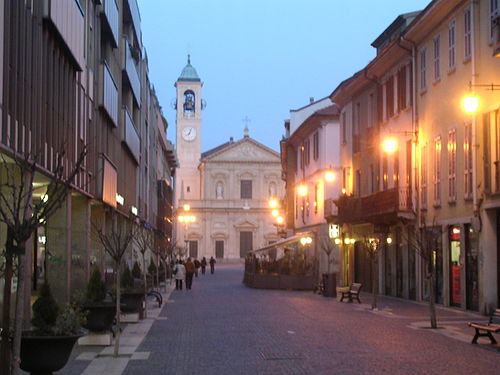
Saronno is a charming town located in the Lombardy region of northern Italy, just 20 kilometers northwest of Milan. With a population of approximately 39,000 residents, it serves as both a suburban community and an industrial center. The town is situated on the Saronno plain, at the confluence of several important transport routes, including the Saronno-Milan railway, which connects it to the metropolitan area. Saronno boasts a rich history that dates back to Roman times, as indicated by archaeological findings in the region. Its name is believed to be derived from the Latin word "Sarrona," referring to the area's ancient water sources.
Notable landmarks in Saronno include the Sanctuary of Our Lady of Miracles, a beautiful Baroque church founded in the 16th century. This sanctuary is central to local religious life and attracts many visitors. Another important site is the Palazzo Visconti, a historic building that once served as a fortified castle and residence for the noble Visconti family. Saronno is also well-known for its production of the famous Amaretto liqueur, which originated there during the 18th century. The local distilleries offer tours and tastings, making it a popular destination for those interested in culinary traditions.
Culturally, Saronno hosts various events throughout the year, including festivals celebrating its rich heritage and local cuisine, and its proximity to Milan allows residents and visitors quick access to Milanese art, fashion, and entertainment. Outdoor enthusiasts can enjoy the nearby natural reserves and parks, offering a variety of recreational activities. The blend of historical significance, cultural richness, and economic vitality makes Saronno an appealing place to visit or reside, embodying the essence of life in northern Italy.
Facts about Saronno
- Saronno is renowned for being the original home of Amaretto, a sweet almond-flavored liqueur that has become famous worldwide.
- The Basilica di San Vittore is a prominent landmark in Saronno, noted for its stunning Baroque architecture and intricate frescoes.
- Saronno boasts a rich history dating back to Roman times, and archaeological finds in the area include remnants of ancient Roman roads and structures.
- The town is known for its unique 'Saronno Chips,' a local potato chip brand that has gained popularity for its crispy texture and distinct flavors.
- Saronno's annual 'Festival dell'Artigianato' showcases local artisans and craftspeople, emphasizing the town's commitment to traditional craftsmanship.
- The city is home to the historic Villa Gianetti, a 19th-century villa that features beautiful gardens and serves as a cultural space for events and exhibitions.
- Saronno has a vibrant industry, particularly in the fields of textiles, food processing, and chemicals, distinguishing itself as an economic hub in the region.
- The Saronno train station is a pivotal transportation node, connecting the town easily to Milan and other key cities, enhancing accessibility for visitors.
- The local cuisine of Saronno features dishes that highlight regional ingredients, with a focus on polenta and risotto, setting it apart from culinary traditions in other parts of Italy.
- Saronno is part of the Lombardy region and is surrounded by beautiful natural landscapes, including the nearby Prealps, offering a blend of urban and outdoor experiences.