Sarreguemines, France
- 24,446 people
- 6 places to visit
- 49.106, 7.0709
Places to Visit (6)
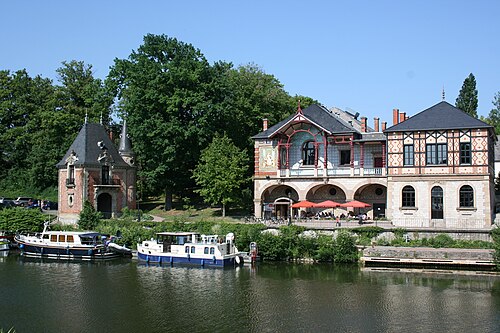
Sarreguemines is a commune located in the Moselle department in the Grand Est region of northeastern France. Situated near the confluence of the Sarre and the Blies rivers, the town is approximately 10 kilometers from the German border, making it a significant location for cross-border interactions. With a population of around 20,000 residents, Sarreguemines has a rich history that dates back to Roman times, originally known as "Sarragommagus." The town was shaped significantly through its industrial development, particularly in the 19th century when it became renowned for its earthenware ceramics, a legacy that continues to influence its cultural identity.
Historically, Sarreguemines experienced the ebb and flow of territorial control, having been part of the Duchy of Lorraine and later annexed by Germany from 1871 until 1918. This history is evident in the town’s architecture and cultural influences, reflected in both its buildings and local practices. The town is home to several notable sites, including the Musée de la Faïence, which displays the region's fine pottery and ceramics, and the historic town hall, characterized by its German-inspired architecture. Sarreguemines also serves as a center for local industry, although it has diversified into sectors such as services and commerce in the modern era.
In addition to its historical significance, Sarreguemines is a vibrant cultural hub featuring various community events, outdoor activities, and natural attractions. The surrounding region offers access to numerous hiking trails and parks, making it popular for outdoor enthusiasts. The town's strategic location enhances its appeal as a center for tourism and commerce, linking it to nearby German towns like Homburg. With its blend of historical heritage, cultural richness, and modern infrastructure, Sarreguemines continues to evolve while celebrating its unique past.
Facts about Sarreguemines
- Sarreguemines is renowned for its fine earthenware and porcelain production, being one of the key centers of ceramic manufacturing in France since the 18th century.
- The city features the 'Creutz Museum', which showcases a rich collection of ceramics, fine arts, and artifacts related to the local industrial heritage.
- Sarreguemines was a significant location during the Franco-Prussian War (1870-71), leading to its annexation by Germany until the end of World War I, which distinguishes its historical narrative from many French towns.
- The city is home to the 'L’Ensemble Architectural de Sarreguemines', which reflects a unique blend of French and German architectural styles resulting from its historical shifts in national governance.
- Sarreguemines hosts the annual 'Festival International du Cerf-Volant et du Vent', attracting kite enthusiasts from across the globe, marking it as a cultural hub for this unique sport.
- The city has a picturesque riverside setting along the Sarre river, complemented by walking paths and parks, enhancing its charm and appeal for outdoor activities.
- Sarreguemines is part of the 'Territoire de Sarreguemines Confluences', a special administrative division that focuses on cooperative local governance and regional development.
- The city has historical connections to the famous French poet Paul Verlaine, who spent part of his youth in Sarreguemines.
- Sarreguemines features the unique 'Belt of Sarreguemines', a series of parks and green spaces specifically designed to enhance the city's environmental appeal and urban biodiversity.
- The local cuisine of Sarreguemines reflects its unique border location, offering a fusion of French and German culinary traditions, especially evident in its local fruit tarts and sausages.