Sarrià, Spain
- 24,819 people
- 19 places to visit
- 41.4027, 2.1162
Places to Visit (19)
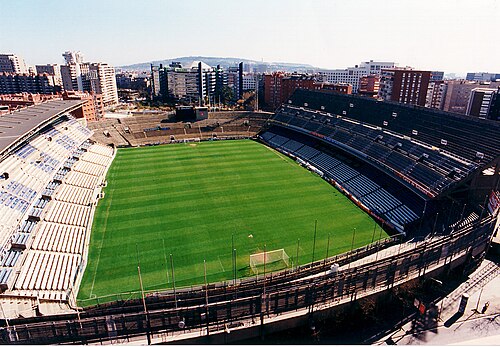
Sarrià is a picturesque district located in the northwestern part of Barcelona, Spain. Historically, Sarrià was an independent village until it was incorporated into the city of Barcelona in 1897. It is characterized by its charming streets, traditional architecture, and a strong sense of community. The district comprises several neighborhoods, including Sarrià itself, as well as Sant Gervasi and parts of Gràcia, all contributing to its unique identity. The area maintains a distinct village atmosphere, which is enhanced by its quaint shops, local cafés, and vibrant markets. One of the most prominent features of Sarrià is its blend of modernity and history, visible in the contrast between contemporary structures and well-preserved buildings from past centuries.
The region is known for its green spaces, with parks and gardens that provide a respite from the urban hustle of central Barcelona. Notable among these is the Parc de la Font de la Bòbila, a local favorite for outdoor activities and family gatherings. Sarrià also boasts excellent educational institutions, including international schools, making it a sought-after neighborhood for families. The district is well-connected to Barcelona’s public transport system, ensuring easy access to the city center and surrounding areas through various metro and bus lines.
Culturally, Sarrià hosts a number of festivals and events that reflect local traditions, such as the Fira de Sant Medir, which celebrates the patron saint of the district with a colorful parade and the distribution of sweets. The gastronomic scene is also vibrant, featuring a variety of restaurants and tapas bars that showcase both traditional Catalan cuisine and international flavors. Overall, Sarrià is a charming district that offers a harmonious blend of local culture, history, and modern amenities, appealing to both residents and visitors alike.
Facts about Sarrià
- Sarrià was an independent village until it was integrated into the city of Barcelona in 1897, maintaining its distinct identity.
- The district is known for its lush greenery and proximity to the Collserola Natural Park, making it one of the most nature-rich areas in Barcelona.
- Sarrià features a unique blend of modernist architecture and traditional Catalan buildings, including the iconic Church of Sarrià, constructed in the 19th century.
- The area is famous for its historic railway station, the Sarrià station, which is part of the FGC (Ferrocarrils de la Generalitat de Catalunya) network, offering a scenic route into the city.
- Sarrià celebrates its annual festival, La Festa Major de Sarrià, which includes cultural events, traditional dancing, and local artisan markets.
- The district is home to some of Barcelona's most prestigious schools and educational institutions, contributing to its reputation as a residential area for families.
- Sarrià is known for its vibrant culinary scene, especially its traditional Catalan dishes served in local eateries that have been around for generations.
- The neighborhood features several art galleries and cultural spaces that support local artists and host community events.
- Sarrià's historical significance is highlighted by its 12th-century castle, remnants of which can still be seen, representing medieval Catalonia.
- Unlike other parts of Barcelona that are heavily commercialized, Sarrià retains a village-like feel with narrow streets and a close-knit community atmosphere.