Sassari, Italy
- 91,895 people
- 15 places to visit
- 40.7258, 8.5557
Places to Visit (15)
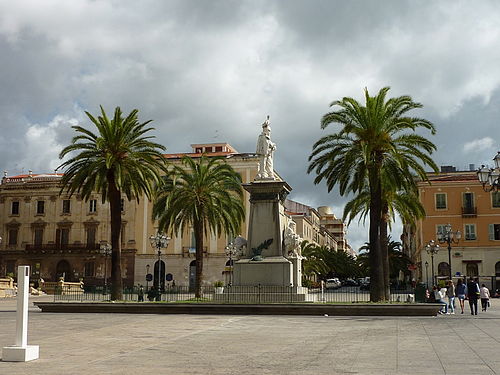
Sassari, the second-largest city in Sardinia, Italy, serves as the capital of the province of the same name. Nestled in the northwestern part of the island, Sassari boasts a rich historical tapestry that dates back to the pre-Roman era. Its strategic location on a plateau surrounded by hills has fostered both agricultural and commercial development, establishing the city as a vital center for trade and culture in Sardinia. With a population of approximately 130,000 residents, Sassari is characterized by its vibrant urban life, historical architecture, and diverse cultural offerings.
The city is notable for its significant architectural landmarks, such as the Romanesque Cathedral of San Nicola, which dates back to the 12th century and features stunning artworks and intricate façades. Another prominent site is the Palazzo Giordano, a splendid example of Baroque architecture, and the medieval walls that encompass parts of the old town. Museums, such as the Museo Sanna, display artifacts that highlight the rich history of both the city and the island, from prehistoric times to the modern era. Sassari is also known for its colorful festivals, including the Candelieri Festival, which honors local patron saints and illustrates the community's strong ties to its traditions.
Economically, Sassari thrives on agriculture, trade, and tourism. The surrounding fertile plains produce a range of agricultural products, including wine, olive oil, and various fruits and vegetables, contributing significantly to the local economy. Additionally, the city has developed a reputation as a center for research and education, home to the University of Sassari, one of Italy's oldest universities, established in the 16th century. With its charming blend of historical significance, cultural richness, and economic vitality, Sassari stands as a vital hub in Sardinia, offering both residents and visitors a glimpse into the island’s multifaceted heritage.
Facts about Sassari
- Sassari is the second-largest city in Sardinia, known for its unique blend of Catalan and Italian culture due to its historical ties with the Crown of Aragon.
- The city is famous for its annual 'Candelieri Festival,' a UNESCO-listed celebration featuring large candle-lit towers carried in a procession, which reflects the city's deep-rooted religious traditions.
- Sassari hosts the 'Palio di Sassari,' a horse race that takes place in the city's historic center, showcasing local neighborhoods and their competing riders, making it a vibrant local competition.
- The city's architectural highlights include the 13th-century Cathedral of San Nicola, featuring an impressive Romanesque façade and intricate interior artwork, setting it apart from other regional churches.
- Sassari is also known for the ancient Nuraghe complexes surrounding the city, remnants of the Nuragic civilization, which is unique to Sardinia and dates back to 1500 BC.
- The city has a rich artisan tradition, particularly in ceramics and textiles, with local crafts reflecting the unique cultural identity of Sassari and the island of Sardinia.
- Sassari was the first city in Italy to establish a police force in the early 19th century, known as the ' Corpo di Guardia,' emphasizing its historical significance in public safety.
- The University of Sassari, established in 1562, is one of the oldest universities in Italy and is renowned for its research, particularly in agriculture and veterinary sciences.
- The Palazzina Leoni, an 18th-century building, is a distinctive landmark in Sassari, known for its elaborate interiors and art, representing the city's noble architectural history.
- Sassari features a large public park, the 'Parco di Monserrato,' which is unique for its botanical garden that showcases the native flora of Sardinia, providing a natural retreat within the urban environment.