Satna, India
- 257,778 people
- 7 places to visit
- 24.6005, 80.8322
Places to Visit (7)
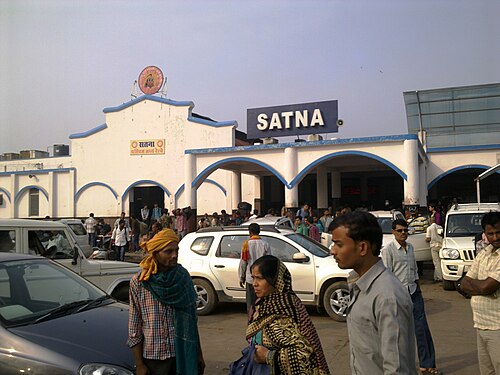
Satna is a city located in the central Indian state of Madhya Pradesh. Serving as the administrative headquarters of Satna district, it is part of the larger region known as Bundelkhand. Satna lies about 320 kilometers northeast of the state capital, Bhopal, and approximately 130 kilometers from Khajuraho, a UNESCO World Heritage Site famous for its intricately carved temples. The city is well-connected by road and rail, making it an important transit hub in the region. Its strategic location facilitates access to several important destinations, including religious sites and historic towns.
The economy of Satna is predominantly driven by cement production, and it is often referred to as the "Cement City" due to the presence of numerous cement factories, including major players like UltraTech and Birla. The city is rich in mineral resources, particularly limestone, which is a critical raw material for cement manufacturing. Agriculture also plays a significant role in the local economy, with crops such as wheat, rice, and pulses being cultivated in the surrounding areas. In addition to its industrial significance, Satna is known for its cultural heritage, with several temples that attract devotees from nearby towns and villages. The city's history is marked by a blend of various influences, including those from ancient dynasties, which can be seen in its architecture and cultural practices.
Satna's social fabric is diverse, showcasing a mix of various communities, languages, and traditions. Hindi is the predominant language spoken in the region, but other dialects and languages are also represented due to the multicultural nature of the city. Festivals such as Diwali, Holi, and Eid are celebrated with great fervor, reflecting the harmonious coexistence of different religions and cultures. Educational institutions in Satna cater to a wide range of academic needs, while healthcare facilities have been improving in recent years to serve the growing population. Overall, Satna is a city that balances its industrial significance with rich cultural traditions, making it an essential part of Madhya Pradesh's landscape.
Facts about Satna
- Satna is known as the 'Cement Capital of India' due to the presence of multiple cement factories in the region.
- The city is strategically located between the two significant historical sites of Khajuraho and Amarkantak, making it a focal point for tourists.
- Satna has a diverse culture, influenced by various religions, primarily Hinduism, Islam, and Jainism, which is evident in its festivals and communal harmony.
- The city is home to the ancient temple of Jatak wishing tree, believed to grant wishes to those who visit it.
- Satna was established during the British Raj and has a notable colonial architectural influence, seen in some of its older buildings.
- The region around Satna has significant deposits of limestone, making it an important area for the cement industry in India.
- The Satna Railway Station is a key junction that connects major highways and rail networks, facilitating trade and travel to nearby regions.
- Satna hosts the famous 'Bhadwa Mela' every year, which attracts thousands of pilgrims and visitors from surrounding areas.
- The city serves as a major educational hub in Madhya Pradesh, with numerous colleges and institutions offering specialized courses.
- Satna has a unique geographical feature as it lies at the merging point of two rivers, the Banganga and the Rihand, which contributes to its fertile land.