Satu Mare, Romania
- 112,490 people
- 7 places to visit
- 47.8017, 22.8576
Places to Visit (7)
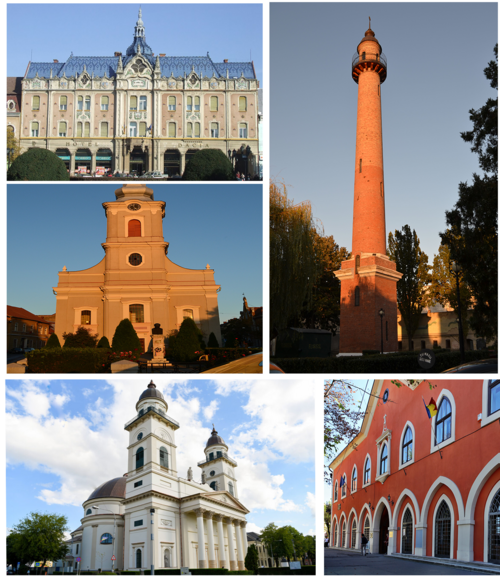
Satu Mare is a city located in the northwestern part of Romania, serving as the capital of Satu Mare County. Positioned near the borders with Hungary and Ukraine, it has historically been a crossroads for various cultures and ethnicities. The city lies on the Someș River and is surrounded by the Oaș Mountains, offering picturesque natural landscapes. Founded in the 11th century, Satu Mare has a rich history shaped by various influences, including Hungarian, Romanian, and Jewish communities. Its name translates to "Great Salt," attributed to the salt production that once thrived in the region. Today, Satu Mare is known for its diverse architectural styles, ranging from neoclassical and baroque to modernist, reflecting its historical evolution and cultural heritage.
Economically, Satu Mare is characterized by a mix of agriculture, manufacturing, and services. The surrounding fertile plains are well-suited for agriculture, and the city has developed a strong base in food processing and textile manufacturing. Additionally, local industries and small businesses play a crucial role in driving economic activity. The city is also recognized for its educational institutions, including universities and vocational schools, which contribute to the local workforce. Satu Mare's strategic location enhances its potential for trade and commerce, offering easy access to major European markets.
Culturally, Satu Mare boasts several museums, theaters, and festivals that celebrate its diverse heritage. The Satu Mare cultural scene is vibrant, with annual events such as the Satu Mare Music Festival and various art exhibitions showcasing local talents. The city's historical buildings, including the Central Synagogue and the Roman Catholic Cathedral, serve as reminders of its multicultural past. Parks and recreational areas around the city provide residents and visitors with spaces for leisure and outdoor activities. Satu Mare's unique blend of history, culture, and economic potential makes it an important and dynamic city within Romania.
Facts about Satu Mare
- Satu Mare is known for its diverse cultural heritage, influenced by Hungarian, Romanian, and Jewish communities over the centuries, which is reflected in its architecture and festivals.
- The city is home to the Firemen's Tower (Turnul Pompierilor), an iconic landmark built in 1894 that originally served as a watchtower for spotting fires, making it one of the few remaining fire towers in Romania.
- Satu Mare hosts the popular 'Satu Mare Autumn Fair,' attracting visitors with local artisans showcasing traditional crafts and promoting regional products, further distinguishing it as a cultural hub.
- The city played a significant role during the 1848 Hungarian Revolution, acting as a center for revolutionary activities and promoting the Hungarian national identity.
- Satu Mare is known for the spectacular 'Băile Felix,' a thermal spa resort located nearby, that provides therapeutic treatments and wellness experiences unique to the region.
- The historic center of Satu Mare features the beautiful Roman Catholic Cathedral, which is a prime example of neo-Romanesque architecture and showcases stunning artwork, setting it apart from other cities.
- Satu Mare has a rich Jewish heritage, once home to a vibrant Jewish community, with several historical sites remaining, including the old Jewish cemetery and the Great Synagogue built in 1871.
- The city has a unique geographical position, located near the borders of Hungary and Ukraine, making it a crossroads for trade and cultural exchange in Eastern Europe.
- Satu Mare is famous for its annual folk festival, 'Festival of Folk Traditions,' which celebrates traditional Romanian and Hungarian folk music, dance, and crafts, marking it as a focal point for cultural preservation.
- The city was the birthplace of several notable figures, including the renowned magician, David Copperfield's collaborator, and pioneer of modern magic, showcasing its influence beyond Romania.