Sault Ste. Marie, Canada
- 72,051 people
- 15 places to visit
- 46.5136, -84.3358
Places to Visit (15)
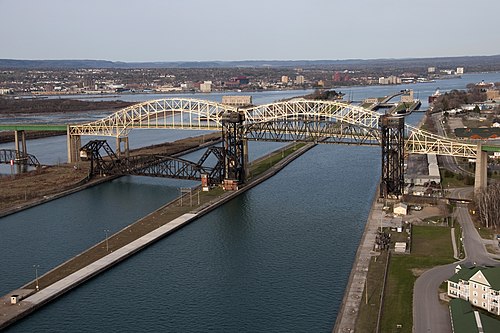
Sault Ste. Marie is a city located in northeastern Ontario, Canada, situated on the St. Marys River, which serves as a natural border between Canada and the United States. With a population of approximately 73,000, Sault Ste. Marie is one of the largest urban centers in the Algoma District. Established in the late 17th century by French missionaries and traders, the city has a rich history that is reflected in its diverse cultural heritage. The name "Sault Ste. Marie" translates to "Rapids of St. Mary," referring to the city’s location near the rapids that were a significant point of navigation for early explorers and fur traders. Today, Sault Ste. Marie is known for its distinct blend of Indigenous, French, and British influences, which contribute to its unique character.
The economy of Sault Ste. Marie has traditionally been centered around industries such as steel production, manufacturing, and shipping, primarily due to its strategic position near the Great Lakes and the international shipping channel. The city's main employers include Algoma Steel, which has operated since the early 20th century, and various public sector services. In recent years, Sault Ste. Marie has diversified its economy by promoting tourism, education, and healthcare initiatives. The presence of institutions like Sault College and the Algoma University has fostered a younger demographic and increased innovation within the community. One of the city’s most significant tourist attractions is the Sault Ste. Marie Canal, a National Historic Site in Canada, which offers recreational activities such as boating, fishing, and hiking, drawing visitors year-round.
Culturally, Sault Ste. Marie is home to a vibrant arts scene, including galleries, theaters, and music festivals that celebrate the talents of local artists. The city hosts several annual events, such as the Sault Ste. Marie Summer Festival and the Festival of Northern Lights, which attract both residents and tourists. The nearby natural landscapes, including Lake Superior Provincial Park and the Outaouais region, provide ample opportunities for outdoor activities such as hiking, skiing, and snowmobiling, making Sault Ste. Marie a hub for nature enthusiasts. Given its unique geographic position and historical significance, Sault Ste. Marie continues to evolve while preserving its rich heritage, making it a notable and welcoming city in Canada.
Facts about Sault Ste. Marie
- Sault Ste. Marie is home to the Soo Locks, a critical system of locks that allows ships to travel between Lake Huron and Lake Superior, making it a key point in the Great Lakes shipping route.
- The city was founded in 1668 and is one of the oldest European settlements in North America, predating many other Canadian cities.
- Sault Ste. Marie hosts the Canadian Bushplane Heritage Centre, which celebrates the history of bush flying and forest protection, an aspect unique to Canada's vast wilderness regions.
- The city is located directly across the border from Sault Ste. Marie, Michigan, making it one of the few cities with a sister city relationship that straddles the Canada-U.S. border.
- Sault Ste. Marie is known for its beautiful waterfront and the stunning views of the St. Marys River, which features scenic spots for sightseeing and recreation.
- The city's rich Indigenous heritage is reflected in various cultural events and organizations, including the Garden River First Nation and the historic presence of the Anishinaabe people in the area.
- Sault Ste. Marie is nicknamed the 'Soo' and is famous for its winter sports, particularly curling and ice fishing, attracting sports enthusiasts from across Canada.
- The city is the birthplace of the rapids that bear its name, the Sault Rapids, which were once a significant barrier for early explorers and traders in the region.
- Sault Ste. Marie is also a center for hydroelectric power generation, utilizing the natural resources of the St. Marys River, contributing to energy sustainability in the region.
- Every summer, the Algoma Fall Festival offers a variety of cultural and artistic events, showcasing local and international talent, which sets the city apart in terms of community engagement with the arts.