Savigny-le-Temple, France
- 25,925 people
- 6 places to visit
- 48.5959, 2.581
Places to Visit (6)
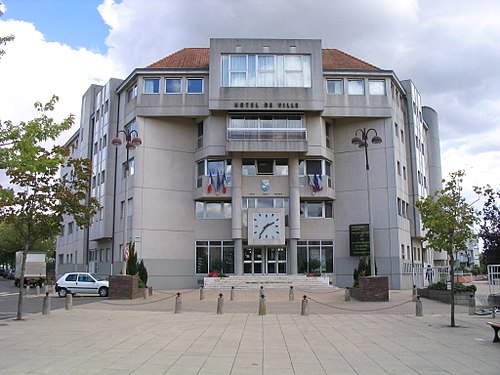
Savigny-le-Temple is a commune located in the Seine-et-Marne department in the Île-de-France region of France. Situated approximately 25 kilometers south-east of central Paris, it lies within the urban area of Melun. The town was officially established in 1968 through the merger of several surrounding villages, and it has since developed into a residential suburb, offering proximity to the bustling capital while maintaining a more tranquil suburban atmosphere. The population of Savigny-le-Temple has grown significantly over the years, with over 28,000 residents calling it home, contributing to its status as one of the larger suburbs in the region.
The town is well-connected to Paris and the greater Île-de-France area through various transportation options. The RER D line, a Paris suburban railway line, serves Savigny-le-Temple, making commuting to the capital relatively straightforward. In addition to its transport links, the town is home to several amenities, including schools, parks, and sports facilities, catering to families and individuals alike. The natural environment around Savigny-le-Temple includes green spaces such as the Parc de la Grange, which provides recreational opportunities for residents. The commune also hosts cultural events, markets, and local festivals that foster community engagement and celebrate its rich heritage. Overall, Savigny-le-Temple combines the charms of suburban life with convenient access to the urban allure of Paris, making it an attractive location for those seeking a balance between city and suburban living.
Facts about Savigny-le-Temple
- Savigny-le-Temple is part of the Île-de-France region and is known for its extensive green spaces and parks, offering a balance of urban and natural environments.
- The city is home to the famous 'Savigny-le-Temple Park,' which boasts a large lake and various recreational facilities, making it a popular spot for locals and tourists.
- Savigny-le-Temple has a rich history dating back to the Roman era, with archaeological remains found in the area that highlight its historical significance.
- The city was officially established as a commune in the early 20th century and experienced significant growth in the post-World War II era as part of suburban expansion.
- Savigny-le-Temple hosts an annual cultural festival, 'Festival des Cultures,' which celebrates the diversity of its population through various cultural presentations and activities.
- The city's architecture features a mix of modern and traditional styles, with landmarks like the Church of Saint-Étienne showcasing historical design elements.
- Savigny-le-Temple is well-connected to Paris, making it an attractive location for commuters, with direct train links to the capital.
- The municipality places a strong emphasis on ecological sustainability, with several initiatives aimed at promoting green energy and preserving local biodiversity.
- Education is a priority in Savigny-le-Temple, with numerous schools and institutions providing a high standard of education reflective of the city's commitment to youth development.
- Savigny-le-Temple is known for its active community engagement, with numerous associations and clubs that bring residents together for various recreational and cultural activities.