Sawāi Mādhopur, India
- 108,612 people
- 6 places to visit
- 26.0124, 76.356
Places to Visit (6)
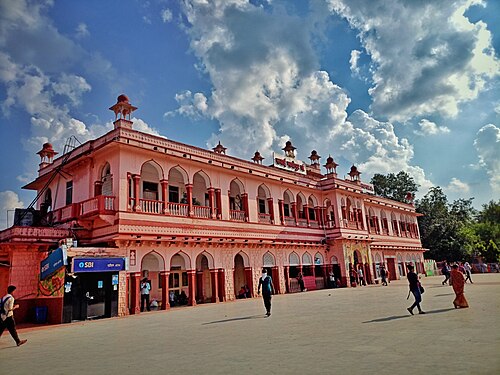
Sawāi Mādhopur is a city located in the Sawai Madhopur district of Rajasthan, India. Established in the 18th century by the Maharaja Sawai Madho Singh I, the city serves as the administrative headquarters of the district and is situated approximately 180 kilometers southeast of the state capital, Jaipur. The city is strategically positioned along National Highway 12, making it an important transit point for travelers heading to various parts of Rajasthan and other northern states. Sawāi Mādhopur is characterized by its vibrant culture, rich history, and proximity to several significant tourist attractions that draw visitors from all over the country and beyond.
One of the main highlights of Sawāi Mādhopur is the Ranthambore National Park, one of India's largest national parks and a prominent wildlife sanctuary famous for its Bengal tiger population. The park, a UNESCO World Heritage Site, offers a unique opportunity for wildlife enthusiasts to spot these majestic animals in their natural habitat. Additionally, the park is home to diverse flora and fauna, including several species of deer, birds, and reptiles, making it a biodiversity hotspot. The city's historical significance is also reflected in its architectural heritage, featuring landmarks such as the Ranthambore Fort, which dates back to the 10th century and is renowned for its impressive ruins and stunning views. Other attractions include the ancient temples, cenotaphs, and traditional markets that reflect the local culture and craftsmanship. The combination of natural beauty, wildlife, and historical significance makes Sawāi Mādhopur a unique destination for travelers and an important part of Rajasthan's cultural landscape. The city’s economy is primarily driven by tourism, agriculture, and trade, contributing to its growth and development in recent years.
Facts about Sawāi Mādhopur
- Sawāi Mādhopur is known for the Ranthambore National Park, one of the largest national parks in northern India, famous for its population of Bengal tigers.
- The town is named after Sawai Madho Singh I, the founder of the city, who was also a kachwaha Rajput ruler in the 18th century.
- Ranthambore Fort, a UNESCO World Heritage Site, is located within the national park and showcases the rich history of the region with its ancient ruins and architecture.
- Sawāi Mādhopur hosts the annual 'Ranthambore Festival', celebrating local culture, wildlife, and conservation efforts, attracting tourists and conservationists alike.
- The area is historically significant as a former hunting ground for the Maharajas of Jaipur, reflecting the royal heritage of the region.
- Ranthambore is one of the few national parks where you can see tigers in their natural habitat, making it a popular spot for wildlife photographers and nature lovers.
- The region is known for the vibrant local art of Pichwai paintings, which are traditionally associated with the temples of the region and often depict scenes of Lord Krishna.
- Sawāi Mādhopur is well-connected by the railway network, serving as an important transit point for tourists heading to Ranthambore National Park.
- The city features several historic palaces and havelis, showcasing the architectural style and aesthetics of Rajasthan's royal history.
- Sawāi Mādhopur's proximity to the Aravalli mountain range adds to its scenic beauty, making it a unique blend of wildlife, history, and natural landscapes.