Sayama, Japan
- 160,843 people
- 14 places to visit
- 35.8528, 139.4122
Places to Visit (14)
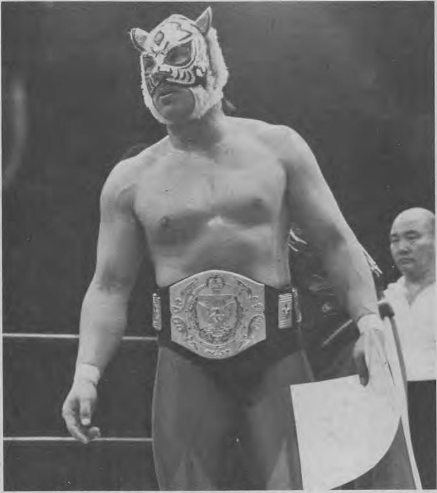
Sayama is a city located in Saitama Prefecture, Japan, situated approximately 30 kilometers northwest of central Tokyo. Established as a city in 1956, Sayama has a current population of around 150,000 residents. The city is known for its beautiful natural landscapes, including Sayama Hills, which have been designated as a scenic area. This region is characterized by dense forests, rolling hills, and numerous parks, making it a popular spot for outdoor activities such as hiking and cycling. Sayama's location near the Saitama Shintoshin and Seibu Ikebukuro lines provides easy access to Tokyo, enhancing its appeal as a residential area for commuters.
Sayama is also recognized for its cultural and historical significance. The city is home to several temples and shrines, including the historic Sainokami Jinja, which dates back more than a millennium. Additionally, Sayama is famed for its unique connection to the Sayama tea, a high-quality variety of green tea grown in the region. The local tea production is an integral part of the city's identity and economy, and visitors are often invited to experience tea tastings and learn about the cultivation process. Furthermore, the Sayama area is known for its diverse community events, including festivals that celebrate traditional Japanese culture, local cuisine, and seasonal changes, which contribute to a vibrant community spirit. Overall, Sayama combines natural beauty, rich history, and a close-knit community, making it an attractive location in the Greater Tokyo Area.
Facts about Sayama
- Sayama is known for the Sayama Tea, a high-quality green tea that has been produced in the region since ancient times, making it one of Japan's notable tea-producing areas.
- The city is home to the Sayama Hills, which serve as a natural habitat for wildlife and are a popular outdoor recreation area for hiking and nature walks.
- Sayama has a unique cultural heritage, featuring traditional crafts such as Sayama pottery, which showcases the city's artisanal skills dating back centuries.
- One of Sayama's landmarks, the Sayama Lake, is a picturesque reservoir known for its scenic beauty and serves as a recreational site for fishing and boating.
- Sayama is the birthplace of the famous 'Sayama Kid,' a popular local character representing the city and its rich cultural history in various local events and merchandising.
- The city is recognized for its efforts in promoting environmental sustainability, with initiatives to preserve the natural landscape and promote green spaces.
- Sayama hosts the annual Sayama Tea Festival, celebrating its tea heritage with tastings, demonstrations, and cultural performances, attracting visitors from all over Japan.
- The Sayama-Sayama Railway connects the city to greater Tokyo, making it a convenient spot for commuters and helping to maintain its unique blend of urban and rural life.
- Sayama is also known for its various historical sites, including ancient temples and shrines that reflect its rich history and cultural significance.
- The city played an important role during the Edo period as a post town, which contributed to its development and importance in regional traffic and trade routes.