Sceaux, France
- 21,511 people
- 11 places to visit
- 48.778, 2.2951
Places to Visit (11)
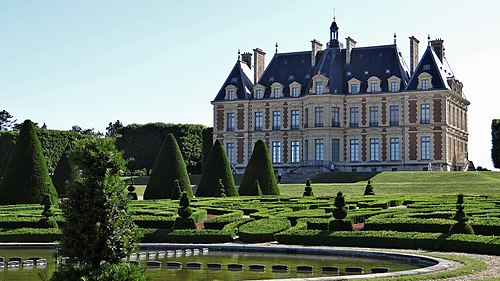
Sceaux is a picturesque commune located in the Val-de-Marne department in the eastern suburbs of Paris, France. It lies approximately ten kilometers from the city center of Paris and is part of the Île-de-France region. The commune has a rich historical heritage, evident in its stunning architecture and green spaces. Sceaux was established in the 12th century, originally flourishing as a village. The area significantly developed in the 17th century when it became the site of the grand Château de Sceaux, built for the prominent financier John Law. This baroque-style palace was later expanded by the architect Jules Hardouin-Mansart for the Duc de Fronsac. The château and its surrounding park, designed by the famous landscape architect André Le Nôtre, are now part of the Parc de Sceaux, a significant cultural landmark that attracts numerous visitors.
The town is known for its vibrant community and quality of life, boasting a mix of historical sites and modern amenities. Sceaux’s streets are lined with charming homes, shops, and cafés, creating a pleasant urban atmosphere. The commune is also home to several educational institutions, including the prestigious Lycée international de Sceaux, which offers a range of programs for both French and international students. Public transportation is well-developed; the RER B train line connects Sceaux to central Paris, making it an attractive residential area for those working in the capital. Additionally, Sceaux hosts various cultural events throughout the year, including art exhibitions and festivals, further enriching its social fabric.
Sceaux is notable for its commitment to green spaces and sustainability. The Parc de Sceaux, encompassing magnificent gardens and lawns, serves as a recreational area for residents and visitors alike. This park, classified as a historical monument, is an example of classical French garden design and supports biodiversity with its numerous tree species, ponds, and floral displays. The commune also promotes eco-friendly initiatives, including bicycle paths and pedestrian-friendly streets, contributing to a healthier environment. With its blend of history, culture, and modern living, Sceaux presents a unique perspective on suburban life near Paris, embodying the charm of French heritage while adapting to contemporary needs.
Facts about Sceaux
- Sceaux is known for its beautiful Parc de Sceaux, designed by the famous landscape architect André Le Nôtre in the 17th century, which showcases classic French garden design.
- The town is home to the Château de Sceaux, a grand historic chateau that houses the Musée de l'Île-de-France, dedicated to the history and culture of the Île-de-France region.
- Sceaux played a significant role in the French Revolution, serving as a refuge and hiding place for various historical figures of the time.
- The city has a rich artistic heritage and was frequented by literary figures such as the dramatist Pierre Corneille and painter Nicolas Poussin, who were inspired by its serene environment.
- Sceaux hosts an annual festival called 'Les Jardins de Sceaux,' which celebrates garden art and landscaping, drawing visitors for its various workshops, exhibits, and activities.
- The town has one of the oldest train stations in the Paris metropolitan area, the Sceaux station, which was established in 1850 and improved connectivity to Paris.
- Sceaux is also noted for its unique Art Deco architecture, particularly in residential areas, setting it apart from many other French towns that primarily feature historical styles.
- A significant feature of Sceaux is its network of canals and waterways, which were constructed to enhance the aesthetic beauty of the town and improve local agriculture.
- The city enjoys a reputation for being a family-friendly location with numerous parks, playgrounds, and educational institutions, making it an attractive suburb for families commuting to Paris.
- Sceaux is part of the Hauts-de-Seine department, which is renowned for its sustainable urban planning initiatives and green spaces, further distinguishing it from other urban areas.