Schönebeck, Germany
- 30,387 people
- 7 places to visit
- 52.0091, 11.747
Places to Visit (7)
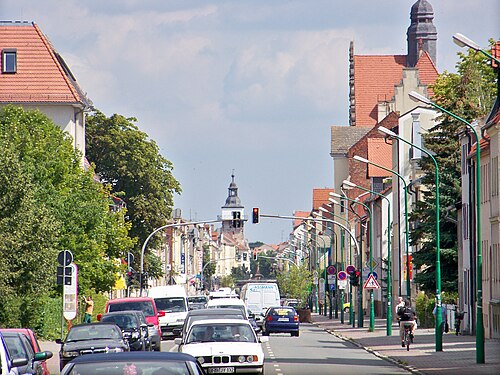
Schönebeck is a city located in the state of Saxony-Anhalt, Germany, situated along the Elbe River. It lies approximately 17 kilometers southwest of Magdeburg, the state capital, and is a part of the Salzlandkreis district. With a population of around 18,000 inhabitants, Schönebeck has a rich history that dates back to the early Middle Ages, making it one of the older towns in the region. The city was officially granted town rights in 1209, which reflects its long-standing importance as a local center of commerce and governance. The town played a significant role in salt production, which contributed to its economic development and growth throughout various periods.
Schönebeck is characterized by its picturesque landscape that includes the Elbe River and numerous parks and recreational areas. The city features notable landmarks such as the Church of St. James (Jakobskirche), which is an impressive example of Gothic architecture, and the historical town hall that represents the architectural heritage of the area. Additionally, the town attracts visitors with its charming old town, where traditional half-timbered houses and cobblestone streets create a quaint atmosphere. Modern Schönebeck offers a variety of amenities, including shops, restaurants, and cultural venues. The city is well-connected by road and rail, making it easily accessible for commuters and tourists alike.
In recent years, Schönebeck has focused on urban development and improving the quality of life for its residents. The local government has invested in modern infrastructure while preserving the city's historical character. Various cultural events, including festivals and fairs, highlight the community spirit and local traditions. Schönebeck’s proximity to larger cities like Magdeburg and its scenic surroundings position it as a desirable place for those seeking a balance between urban and rural lifestyles. The combination of its historical significance, natural beauty, and contemporary amenities makes Schönebeck a unique and appealing destination in Saxony-Anhalt.
Facts about Schönebeck
- Schönebeck is famously known for its spa culture, particularly its saltwater springs, making it a notable health and wellness destination in Germany.
- The Elbe River runs through Schönebeck, providing picturesque landscapes and opportunities for recreational activities unique to this region.
- The city's salt production dates back to medieval times, establishing Schönebeck as an important center for brine extraction in Germany.
- Schönebeck is home to the historic 'Heiliggeistkirche' (Church of the Holy Spirit), which dates back to the 12th century, showcasing remarkable medieval architecture.
- The town hosts the annual Schönebecker Weihnachtsmarkt (Christmas Market), renowned for its local crafts and festive atmosphere, attracting visitors from all over.
- Schönebeck is closely linked to the historic Salzlandkreis region, named after its long-standing association with salt mining and trade.
- The town features the 'Kurpark,' a traditional spa park that reflects its heritage as a health resort and offers beautiful green spaces for relaxation.
- Schönebeck played a unique role during the German reunification, being in East Germany before 1990, which contributes to its rich historical narrative.
- The city's municipal theater, the 'Theater der Stadt Schönebeck,' reflects the local commitment to preserving culture and the arts.
- Schönebeck celebrates the annual 'Schönebecker Weinfest' (Wine Festival), highlighting its connection to wine production and regional viticulture, distinctively showcasing local wines.