Schorndorf, Germany
- 39,697 people
- 10 places to visit
- 48.8015, 9.5296
Places to Visit (10)
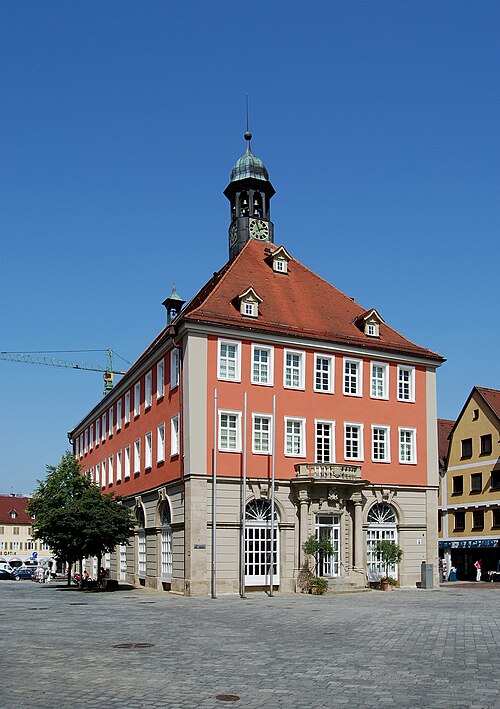
Schorndorf is a charming town located in the southwestern part of Germany, specifically in the state of Baden-Württemberg. It lies approximately 25 kilometers east of Stuttgart, the state capital, and is part of the Rems-Murr-Kreis district. With a population of around 20,000 residents, Schorndorf is known for its picturesque medieval architecture and vibrant local culture. The town is particularly renowned for its well-preserved old town, featuring narrow cobblestone streets, historical half-timbered houses, and the striking St. John’s Church (Johanneskirche), which dates back to the 14th century. Schorndorf’s history dates back to the early Middle Ages, and it received town privileges in the 13th century, contributing to its rich historical legacy.
Economically, Schorndorf benefits from its proximity to Stuttgart, serving as a residential town for those commuting to the city. The local economy is diverse, with a mix of traditional industries and modern enterprises. Notably, Schorndorf is also known as the birthplace of the famous automobile manufacturer Daimler AG, where Karl Benz and Gottlieb Daimler made significant contributions to the development of the automobile during the late 19th century. The town promotes a strong sense of community, bolstered by annual festivals, markets, and cultural events that celebrate its heritage and foster local engagement. Additionally, Schorndorf is surrounded by beautiful natural landscapes, including the Swabian Jura mountains and several parks, providing residents and visitors with ample opportunities for outdoor activities. Its combination of history, community spirit, and accessible transport links makes Schorndorf an appealing destination in the heart of Baden-Württemberg.
Facts about Schorndorf
- Schorndorf is known as the birthplace of Gottlieb Daimler, the co-founder of Daimler-Benz and a pioneer in the automotive industry.
- The city's historic center features a well-preserved medieval layout, including the prominent Schorndorf Market Square, which is surrounded by beautiful half-timbered houses.
- Schorndorf hosts the annual Daimler Week, celebrating the contributions of Gottlieb Daimler to automotive history, featuring various events and exhibitions.
- The city has a unique hydroelectric power plant built in 1901, which continues to be operational and symbolizes Schorndorf's commitment to sustainable energy.
- Schorndorf is located along the scenic Remstal valley, providing opportunities for outdoor activities like hiking and cycling in its picturesque landscapes.
- The Schorndorf castle ruins date back to the 13th century and offer a historical vantage point with impressive views of the city and surrounding area.
- As part of the Rems-Murr-Kreis district, Schorndorf plays a key role in the local wine-growing region, contributing to the production of high-quality wines.
- The city's population is known for its vibrant cultural scene, with numerous festivals throughout the year highlighting local traditions and arts.
- Schorndorf's historical significance is reflected in its various museums, including the Heimatmuseum, which showcases the city's rich heritage and local history.
- The city is well-known for its commitment to innovation and technology, housing several companies and research institutions focusing on engineering and design.