Schwäbisch Gmünd, Germany
- 61,216 people
- 6 places to visit
- 48.7994, 9.8046
Places to Visit (6)
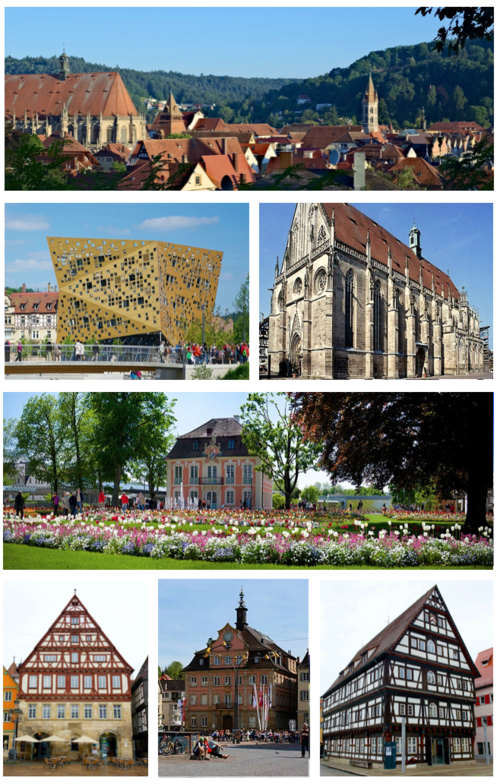
Schwäbisch Gmünd is a historical city located in the state of Baden-Württemberg, Germany, approximately 60 kilometers east of Stuttgart. With a population of about 60,000 residents, it is the third largest city in the district of Ostalbkreis. The city is renowned for its rich history, which dates back to Roman times when it was known as "Gomundia." Schwäbisch Gmünd was officially granted town status in the late 13th century and became a significant center for silver mining and trade in the Middle Ages, contributing to its economic and cultural development.
Architecturally, Schwäbisch Gmünd boasts a mix of medieval and modern structures, with well-preserved buildings reflecting its past. One of the city’s landmarks is the St. Salvator Church, a prime example of Gothic architecture, featuring an impressive altar and intricate stained glass windows. The historic marketplace, with its colorful facades and vibrant atmosphere, highlights the bustling life of the city. Additionally, Schwäbisch Gmünd is known for its commitment to the arts and craftsmanship, particularly in gold and silver jewelry, with numerous shops and workshops dedicated to these trades. Surrounded by picturesque landscapes, including the Swabian Jura, the city offers a variety of outdoor recreational activities, attracting visitors who appreciate both its historical charm and natural beauty.
Culturally, Schwäbisch Gmünd hosts various festivals and events throughout the year, including the traditional Schwäbisch Gmünder Herbstfest, which celebrates local cuisine, music, and crafts. The city also houses several museums, including the Museum of the City of Schwäbisch Gmünd, which showcases the region's history and heritage. Its vibrant cultural scene, combined with its historical significance and stunning architecture, makes Schwäbisch Gmünd an attractive destination for tourists and a delightful place to live for its residents. The city's strategic location, along with excellent transportation links, further enhances its appeal, positioning it as a hub for both business and leisure in the economically robust region of Baden-Württemberg.
Facts about Schwäbisch Gmünd
- Schwäbisch Gmünd is one of the oldest towns in Germany, with a history that dates back over 1,200 years, featuring significant archaeological findings from the Roman era.
- The city is renowned for its medieval architecture, including the St. John's Church (Johanneskirche), which showcases a stunning blend of Gothic and Baroque styles.
- Schwäbisch Gmünd is often referred to as 'the town of gold' because of its long-standing tradition of goldsmithing, which has been prominent since the Middle Ages.
- The town is home to the world's largest collection of goldsmith tools, housed in the local museum, highlighting its rich craftsmanship heritage.
- Every two years, Schwäbisch Gmünd hosts the 'International Woodcarving Symposium', attracting artists from around the globe and promoting the art of woodcarving.
- Schwäbisch Gmünd plays a significant role in the production of jewelry and watches, making it an important center for these industries in Germany.
- The city's beautiful scenic location at the foothills of the Swabian Jura offers numerous hiking and cycling trails, making it a hub for outdoor enthusiasts.
- Schwäbisch Gmünd is known for its innovative urban planning, having implemented several eco-friendly initiatives, including extensive bike paths and green spaces.
- The city features the historic 'Wetzgau', a unique area comprised of living museums that preserve traditional craftsmanship and agricultural practices.
- Schwäbisch Gmünd is part of the German Hanseatic League, which historically connected the city to trade networks across Europe, enriching its cultural and economic significance.