Scranton PA, United States
- 77,118 people
- 15 places to visit
- 41.409, -75.6624
Places to Visit (15)
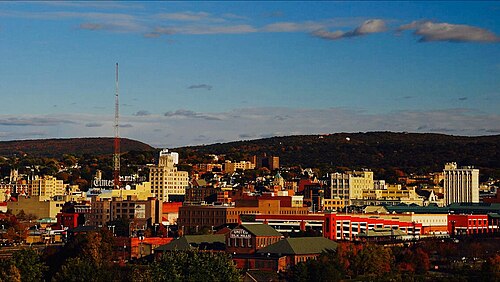
Scranton, Pennsylvania, is a city located in northeastern Pennsylvania, serving as the county seat of Lackawanna County. Founded in the late 18th century, Scranton rose to prominence in the 19th century as a center of coal mining and industry, contributing significantly to the region's economic development. The city is part of the Scranton–Wilkes-Barre–Hazleton Metropolitan Statistical Area, often referred to as the Wyoming Valley. Scranton's strategic location, at the intersection of several major roads and near multiple rail lines, aided its growth as an industrial hub during the coal boom.
During the 19th century, Scranton became known as the "Electric City" due to its pioneering use of electric streetcars. The city's economy thrived on coal mining, iron, and steel production, attracting a diverse immigrant population that contributed to its cultural fabric. Historic neighborhoods, such as the Hill Section, showcase a range of architectural styles and reflect the city’s rich history. As industrial jobs began to decline in the mid-20th century, Scranton faced economic challenges, leading to population loss and urban decay. However, revitalization efforts, including the establishment of cultural institutions and the preservation of historical sites, have aimed to breathe new life into the city.
Today, Scranton is known for its cultural landmarks, including the Steamtown National Historic Site, which celebrates the history of steam railroading in America, and the Lackawanna Coal Mine Tour, offering visitors a glimpse into the coal industry that once dominated the region. The city is also home to several colleges and universities, including the University of Scranton, a Jesuit institution, which plays a vital role in the community. While Scranton continues to navigate the complexities of post-industrial transformation, it maintains a unique charm marked by its historical significance and a strong sense of community. The city serves as a reminder of the changing landscape of American cities and the resilience of those who call it home.
Facts about Scranton
- Scranton is known as the 'Electric City' due to its early adoption of electric streetcars, becoming the first city in the U.S. to implement them in 1886.
- The Lackawanna and Wyoming Valley Railroad was a significant contributor to Scranton's economic development, thriving in the coal industry during the late 19th century.
- Scranton is home to the iconic Steamtown National Historic Site, which showcases the history of steam railroading in America and features a collection of steam locomotives.
- The city has a rich Irish American heritage, celebrated annually through the Scranton St. Patrick's Day Parade, one of the largest in the country.
- Scranton served as the setting for the U.S. version of the popular television show 'The Office,' increasing its notoriety and attracting tourism.
- The city is home to the University of Scranton, a private Jesuit university founded in 1888, providing a significant educational presence in the region.
- Scranton features several historic districts, including the Courthouse Square Historic District, which showcases a mix of Victorian architecture and modern buildings.
- The city hosts the annual Scranton Half Marathon, which draws runners from across the country, and highlights the community’s commitment to health and wellness.
- Scranton's Anthracite Heritage Museum celebrates the region's coal mining history and the cultural contributions of its immigrant communities through various exhibits.
- The Scranton/Wilkes-Barre RailRiders, the Triple-A affiliate of the New York Yankees, play their home games at PNC Field, adding to the city’s sports culture.