Scunthorpe, United Kingdom
- 81,576 people
- 15 places to visit
- 53.5886, -0.6544
Places to Visit (15)
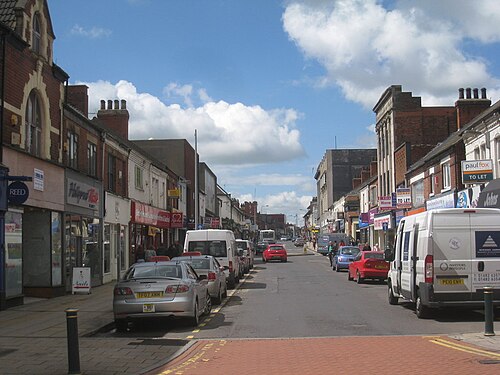
Scunthorpe is a town located in North Lincolnshire, England, known for its rich industrial heritage and significant contributions to the steel industry. Historically, Scunthorpe developed in the 19th century as a result of coal mining and ironstone extraction. The late 19th century saw the establishment of the Steel Works by the Great Central Railway, which played a pivotal role in the town's growth. The town grew rapidly during the 20th century, particularly in the post-World War II era, when it became one of the largest steel-producing areas in the UK due to the presence of the British Steel Corporation. As of the 21st century, Scunthorpe continues to be associated with steel production, though the industry has faced challenges including market fluctuations and shifts towards renewable processes.
Geographically, Scunthorpe is situated approximately 30 miles north of Lincoln and 20 miles south of Kingston upon Hull. This strategic location has made it an important transport hub, with the A18 and A1077 roads providing connections to nearby cities and towns. The town's population, which was around 82,000 at the last census in 2021, reflects a diverse community with roots in various industries. Scunthorpe boasts several amenities and services, including a range of shops, schools, and recreational facilities. Notable landmarks include the impressive Central Park, which features ornamental gardens and a children's play area, as well as the historic St. John's Church, showcasing a mix of Gothic and Romanesque architectural styles.
Culturally, Scunthorpe is home to a variety of events and activities that celebrate its industrial past and promote community spirit. The town has a thriving arts scene, with venues like the The Baths Hall hosting concerts, theatrical performances, and other cultural events. Additionally, Scunthorpe's proximity to rural landscapes and historical sites in Lincolnshire offers residents and visitors alike a blend of urban and countryside experiences. Despite the economic shifts that have affected its core industries, Scunthorpe remains resilient, adapting to new economic opportunities and fostering community engagement.
Facts about Scunthorpe
- Scunthorpe is known as the 'Industrial Garden Town' due to its unique mix of green spaces and industrial heritage.
- The town is famous for its steel production, with the British Steel plant in Scunthorpe being one of the largest steelworks in the UK.
- Scunthorpe has the largest concentration of steel and iron production in the country, a legacy that dates back to the 19th century.
- The town is home to the Wonders of the World coal-mining exhibition, showcasing the history of its thriving coal industry.
- Scunthorpe United Football Club, established in 1899, has a passionate following and has spent many years in the Football League, achieving Football League trophy success.
- The town features the iconic Angel of the North visual arts project, one of the UK’s most recognized artworks, although it is technically located in Gateshead, it symbolizes the industrial North, including Scunthorpe.
- Scunthorpe has a rich music history, having produced notable acts such as The Beautiful South and singer-songwriter J.W. Jones.
- The town is home to the North Lincolnshire Museum, which houses collections that illustrate the history and development of the local area.
- Scunthorpe's name is derived from the Old Norse word 'Skun', which means 'a place with a stream', reflecting its geography.
- The town has been at the forefront of renewable energy initiatives, including the installation of a significant wind farm, making it a leader in sustainable energy in the region.