Seaham, United Kingdom
- 22,373 people
- 15 places to visit
- 54.8403, -1.3375
Places to Visit (15)
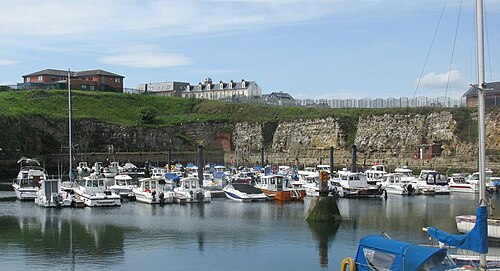
Seaham is a coastal town located in County Durham, England, approximately 6 miles south of Sunderland and 15 miles east of Durham city. Historically part of the district of Easington, it lies along the North Sea, showcasing a picturesque waterfront that has been transformed from its industrial past into a more residential and recreational area. Seaham's origins date back to the Roman period, evidenced by archaeological findings; however, the town rose to prominence in the 19th century due to coal mining and its significant harbor, which was constructed during the late 1820s. This harbor facilitated trade in coal and other goods, making Seaham a vital shipping port during the Industrial Revolution.
Over the years, Seaham has evolved from a traditional industrial town into a modern community with a diverse economy. While in the past coal mining was the primary industry, the decline of mining in the late 20th century led to a shift towards tourism and retail, boosting the local economy. The town is now known for its charming beach, scenic cliffs, and recreational activities such as walking and cycling along the coastal paths. Landmarks like the historic Seaham Hall, a Georgian mansion that has been converted into a luxury hotel and spa, reflect the town's cultural heritage and appeal. Moreover, the area is celebrated for its unique find of sea glass, which attracts collectors and artists alike, further enhancing Seaham's reputation as a vibrant coastal destination.
Seaham also benefits from a strong sense of community, with events and festivals that promote local culture and heritage. The annual Seaham Carnival, along with various arts and crafts fairs, exemplifies the town's community spirit and involvement in celebrating its rich history. With ongoing investment in urban regeneration, including improved public spaces and amenities, Seaham is poised to continue attracting residents and visitors, enjoying the benefits of its historical significance and natural beauty. Overall, Seaham represents a blend of history, culture, and modern living, making it an intriguing destination along the North East coastline of England.
Facts about Seaham
- Seaham is home to the historic Seaham Hall, a Georgian mansion that was the residence of the 2nd Marquess of Londonderry and is now a luxury hotel and spa.
- The town's coastline boasts the unique feature of the 'Seaham Pebbles', which are often decorated by local artisans and washed ashore from the sea due to mining activities in the area.
- Seaham's 'Blast Beach' was the site of a historical opencast coal mining operation and is now known for its unique geological formations and abundant fossil finds.
- The Seaham Harbour was once an important coal exporting port during the 19th century, contributing significantly to the maritime history of the North East of England.
- Every year, Seaham hosts the 'Seaham Food Festival', celebrating local cuisine, produce, and fostering community spirit, which attracts visitors from across the region.
- Seaham is famous for its active dolphin spotting opportunities along the coast, making it one of the few places in England where you can regularly see marine life from the shore.
- The town features the iconic 'Tommy' statue, a tribute to the soldiers of World War I, and represents Seaham's strong historical ties to the military and remembrance culture.
- Seaham has a notable connection to the poet, novelist, and playwright, John Keats, who visited the area in 1817, leaving a lasting impact on local literary heritage.
- The 'East Durham Heritage Coast' runs through Seaham, recognized as an Area of Outstanding Natural Beauty, setting it apart from many other coastal towns in the UK.
- Seaham has a history of being an artistic hub, with many local artists and galleries that promote the cultural vibrancy of the area, particularly in the fields of visual arts and crafts.