Sebeş, Romania
- 27,246 people
- 12 places to visit
- 45.9596, 23.5664
Places to Visit (12)
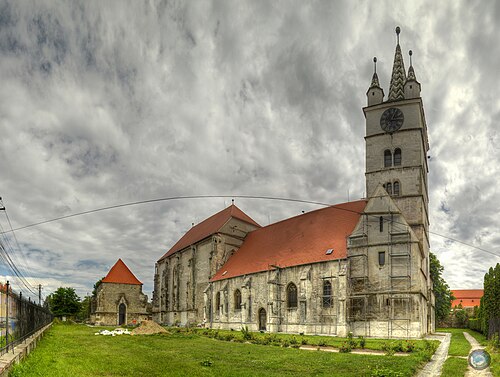
Sebeș is a city located in the Alba County of Romania, situated in the region of Transylvania. It lies at the confluence of the Sebeș and Bistra rivers, surrounded by the picturesque Făgăraș Mountains to the south and the Apuseni Mountains to the west. This geographical positioning not only enhances its scenic beauty but also places it on significant transportation routes, including the E81 national road and the railway connecting the city to other major urban centers in Romania. With a population of approximately 20,000 residents, Sebeș is known for its rich history, which dates back to Roman times, when it was known as Sebeș (or Sebus, in Latin) and served as a significant settlement in the province of Dacia.
The city features a blend of historical and modern influences, reflected in its architecture and cultural landscape. Among its most notable landmarks is the Evangelical Church, an impressive Gothic structure built in the 14th century. Additionally, the historical part of the city is characterized by well-preserved fortifications, showing the influence of various cultures, including the Saxons who settled in the region during the Middle Ages. Sebeș is also closely associated with the production of high-quality wood products, benefiting from the surrounding forests. The local economy is diverse, with industries ranging from manufacturing to agriculture. Cultural activities thrive through various festivals and events, celebrating local traditions and the city's multicultural heritage, including its connections to Romanian and Saxon history.
Education and community services in Sebeș are well-established, featuring several schools and institutions catering to different educational needs. The city also has modern amenities, including parks, recreational facilities, and commercial areas that contribute to the quality of life for its residents. As a gateway to the surrounding natural attractions, such as the Apuseni National Park and the scenic Transalpina road, Sebeș draws tourists who seek both cultural experiences and outdoor adventures. Its strategic location, historical significance, and community vibrancy make Sebeș a noteworthy destination in Romania, bridging past and present while fostering an environment where history and modernity coexist harmoniously.
Facts about Sebeş
- Sebeş is home to one of the oldest fortresses in Romania, the Sebeş Fortress, which dates back to the 13th century.
- The city is renowned for its unique combination of Romanian, Saxon, and Hungarian cultural influences, evident in its architecture and local customs.
- Sebeş is the birthplace of the famous Romanian poet and national hero, Mihai Eminescu, contributing to its literary heritage.
- The city features several well-preserved Gothic and Renaissance buildings, including the Evangelical Church, which is a significant landmark.
- Sebeş hosts an annual medieval festival that celebrates its historical significance and showcases traditional crafts, music, and costumes.
- The Sebeş River flows through the town, providing picturesque views and opportunities for recreation, setting it apart from many other Romanian towns.
- Sebeş was historically known for its flourishing trade due to its strategic position along important trade routes connecting Transylvania with the south of Romania.
- The local economy has been shaped by the establishment of various industries, making it one of the more economically diverse towns in the region.
- Sebeş is part of the Alba County and is near the famous Apuseni Mountains, offering access to beautiful natural landscapes and outdoor activities.
- The city is also known for its significant archaeological sites, including evidence of Dacian settlements, which adds to its historical importance.