Seelze, Germany
- 32,899 people
- 10 places to visit
- 52.3949, 9.5939
Places to Visit (10)
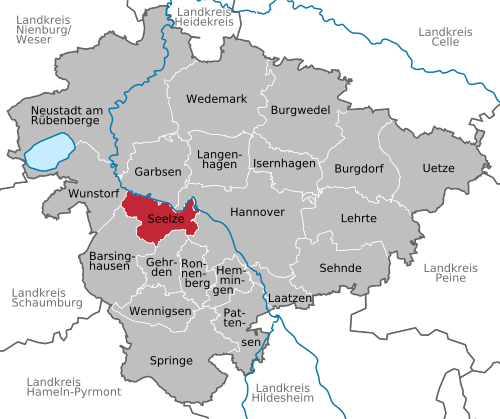
Seelze is a small town situated in Lower Saxony, Germany, within the Hanover district. It is located approximately 10 kilometers southwest of Hanover, the state capital, making it part of the metropolitan area of Hanover. Seelze covers an area of about 21.4 square kilometers and has a population of around 17,000 residents, according to the latest census data. The town is well connected to Hanover and the surrounding regions through an efficient public transportation system, including train services operated by the Hanover S-Bahn, as well as several bus routes. The proximity to Hanover enhances Seelze’s appeal as a residential area for those who work in the city.
Historically, Seelze has undergone significant transformation, evolving from a predominantly agricultural community to a more urbanized town. The town's origins date back to the early Middle Ages, and it has notable historical architecture, such as the St. John the Baptist Church, which dates back to the 12th century. The town's development was significantly influenced by the industrialization of the region in the 19th century, particularly with the establishment of various manufacturing and logistics companies. Today, Seelze hosts a diverse economy that includes small to medium-sized enterprises, predominantly in the manufacturing and service sectors. The town also boasts several parks and recreational facilities, making it an appealing destination for outdoor activity enthusiasts. Seelze is characterized by a mix of urban life and natural surroundings, offering a pleasant quality of life for its residents.
Facts about Seelze
- Seelze is located in Lower Saxony, just outside the city of Hanover, making it a notable suburb with a strong community connection to the larger city.
- The city boasts the historic St. John's Church (Johanneskirche), which was built in the 19th century and serves as a key landmark and a center for local events.
- Seelze is known for its scenic location along the banks of the River Leine, providing beautiful natural landscapes and recreational opportunities for residents and visitors.
- The annual Seelze Carnival is a community highlight that showcases local culture, featuring parades, music, and the participation of various clubs and associations.
- Seelze has a rich industrial history, particularly in the late 19th century, when it grew as an industrial center, contributing to the economic development of Lower Saxony.
- The city is home to several nature reserves and parks, such as the Natur- und Landschaftsschutzgebiet Seelze, which promote biodiversity and serve as an ecological haven.
- Seelze has a strong commitment to sustainability, with various initiatives aimed at promoting green energy and environmentally friendly practices in the community.
- The local railway station connects Seelze effectively to Hanover and the broader regional transport network, making it an ideal commuting location.
- Seelze has been host to various cultural festivals and events that celebrate local art, music, and heritage, enhancing its vibrant community spirit.
- The city is positioned at a crossroads of major transport routes, making it a strategic location for business and trade, with easy access to both regional and international markets.