Ségou, Mali
- 205,787 people
- 2 places to visit
- 13.4317, -6.2482
Places to Visit (2)
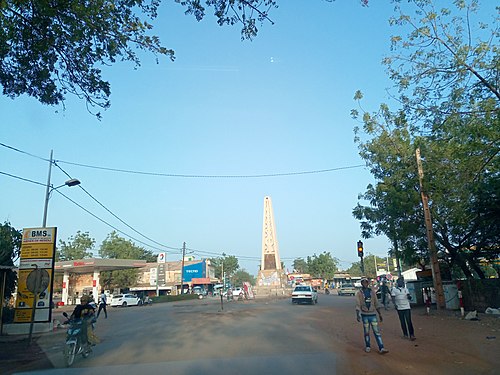
Ségou is a vibrant city located in central Mali, serving as the capital of the Ségou Region. Founded in the late 18th century, Ségou became the seat of the Bambara Empire, which thrived in the 18th and 19th centuries. The city is situated on the banks of the Niger River, approximately 235 kilometers northeast of the capital, Bamako. Ségou's historical significance is evident in its architecture, culture, and the role it played in trade and governance during the empire's dominance. The city is often recognized for its role in the promotion of the Bambara language, arts, and traditions, which remain influential in contemporary Malian culture.
Today, Ségou is an important commercial hub, with a population of around 40,000 residents. The city has a lively marketplace where local artisans sell crafts, textiles, and agricultural products. Ségou is known for its rich cultural festivals, including the Ségou Festival of Arts, which celebrates the diverse artistic expressions of the region, from music to dance. The economy primarily relies on agriculture, with crops such as millet, sorghum, and rice being prominent. Additionally, fishing in the Niger River supplements local food sources and livelihoods. Despite facing challenges such as infrastructure development and the impacts of climate change, Ségou continues to uphold its historical legacy while adapting to modern demands. The blend of tradition and contemporary life gives Ségou a unique identity within Mali.
Facts about Ségou
- Ségou is known as the historical capital of the Bambara Empire, which flourished from the 17th to the 19th century, distinguishing it as a significant cultural and political center in Mali.
- The Ségou Festival of African Cinema (FESTICAB) is held annually in the city, focusing on the promotion of African cinema and culture, making it a unique cultural event in Mali.
- Ségou is famous for its distinctive terracotta pottery, which is traditionally crafted by local artisans and is recognized for its unique designs and quality.
- The city features the Grande Mosquée de Ségou, built in the 19th century, which is a notable example of Sudano-Sahelian architecture and is one of the largest mosques in Mali.
- Ségou has a vibrant music scene, being one of the birthplaces of the Wassoulou musical style, which blends traditional African rhythms with modern influences.
- The Ségou region is home to the Niger River, which plays a critical role in the local economy and sustains various agricultural activities in the area.
- Historically, Ségou was a significant trading hub, connecting various regions of West Africa, facilitating the exchange of goods such as gold, salt, and agricultural products.
- The city played a key role in the spread of Islam in Mali, with numerous mosques and Quranic schools contributing to its reputation as a religious center.
- Ségou is known for its annual 'La Semaine de la Cultura' festival, celebrating local arts, crafts, and traditions with various performances and exhibitions.
- The nearby Bandiagara Escarpment, a UNESCO World Heritage Site, adds to Ségou's appeal, as it is a significant tourist attraction showcasing unique landscapes and traditional villages.