Sejong, South Korea
- 351,007 people
- 4 places to visit
- 36.5607, 127.2587
Places to Visit (4)
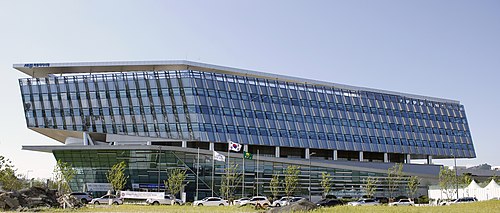
Sejong is a planned city in South Korea, established in 2007 to serve as the administrative capital of the country. Located in the central region of Chungcheongnam-do, it was named after King Sejong the Great, who is renowned for his contributions to Korean culture, particularly the creation of the Korean alphabet, Hangul. The city was developed to alleviate congestion in Seoul and promote balanced regional development. With its strategic location, Sejong aims to enhance accessibility across the nation and facilitate government operations. The city is designed with modern infrastructure, green spaces, and residential areas that prioritize sustainability and the quality of life for its inhabitants.
As a planned city, Sejong features a unique layout characterized by designated districts for administrative functions, residential areas, and commercial establishments. The South Korean government relocated numerous ministries and public institutions to Sejong, making it home to several key government bodies, including the Ministry of Science and ICT and the Ministry of Education. Despite its relatively young status and rapid development, the city has rapidly attracted residents and businesses, leading to a growing population. With a focus on education, technology, and innovation, Sejong is positioned as a hub for research and development.
Culturally, Sejong blends modernity with tradition, offering facilities such as parks, libraries, and cultural centers that emphasize both Korean heritage and contemporary lifestyle. The city is well-known for its commitment to environmentally friendly policies, featuring extensive parks and walking paths that promote active living. As Sejong continues to develop, it reflects South Korea's vision for balanced urban growth, technological advancement, and cultural enrichment, making it an intriguing example of modern city planning.
Facts about Sejong
- Sejong is the only planned city in South Korea, established to decentralize the government's administrative functions away from Seoul.
- The city is named after King Sejong the Great, who is known for creating the Korean alphabet, Hangul, in the 15th century.
- Sejong is home to many government ministries and agencies, making it a unique center for administrative purposes in South Korea.
- The National Institute of Korean Language is located in Sejong, promoting the use and study of the Korean language.
- Sejong has been recognized for its efforts in creating green spaces, with over 20% of the city's area designated as parks and green areas.
- The city hosts the Sejong Smart City project, an initiative focusing on advanced technology and sustainable urban living.
- Sejong has the Sejong Convention Center, which serves as a major venue for international conferences and events, boosting its status as a city for global dialogue.
- The city features a unique architecture style, with the design of public buildings inspired by traditional Korean aesthetics combined with modern functionality.
- Sejong also has a significant emphasis on education, with several universities and a large number of educational institutions established in the city.
- Sejong is strategically located in the central region of South Korea, making it easily accessible and a vital link between different provinces.