Sekondi, Ghana
- 285,506 people
- 11 places to visit
- 4.9016, -1.7831
Places to Visit (11)
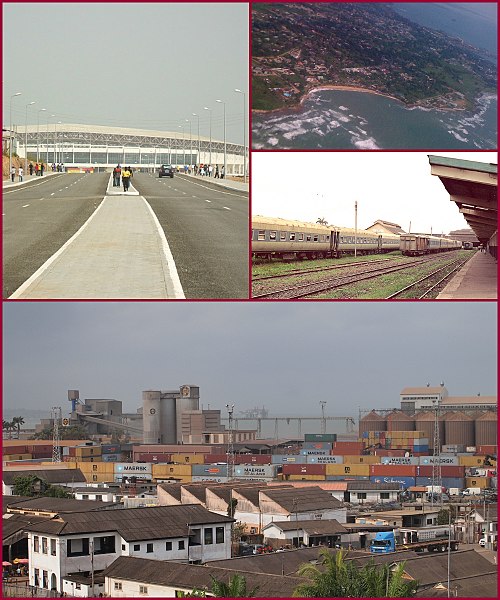
Sekondi, located in the Western Region of Ghana, is a historic city known for its picturesque coastal landscape and vibrant culture. As the capital of the Sekondi-Takoradi Metropolitan Area, Sekondi is often associated with its twin city, Takoradi, and together they form an important economic and administrative hub for the region. The city boasts a rich history, with roots dating back to the Portuguese and British colonial periods when it served as a significant port for trade in gold, timber, and cocoa. Sekondi has retained much of its colonial architecture, featuring traditional houses and colorful buildings that resonate with its past.
The economy of Sekondi is primarily driven by its port activities, agriculture, and fishing industries. The port of Sekondi-Takoradi is one of Ghana's major seaports, facilitating trade and commerce, particularly in the oil and gas sector, which has seen significant growth in recent years due to the discovery of offshore oil reserves. This influx of resources has led to an increase in job opportunities and infrastructural development, contributing to the overall economic dynamism of the city. The local market scene is bustling, featuring a variety of goods, with fresh produce, fish, and crafts showcasing the area’s rich cultural heritage.
Culturally, Sekondi is a melting pot, reflecting the diverse ethnic groups that inhabit the region, including the Akan people. Festivals, music, and traditional dances play a significant role in the city’s social life, with events such as the Sekondi-Takoradi Regatta highlighting the local fishing communities and their enduring maritime traditions. The city is also known for its beautiful beaches and scenic views along the Atlantic coast, making it a potential tourist destination for those seeking to explore Ghana’s coastal beauty. With its blend of historical significance, economic growth, and cultural vibrancy, Sekondi continues to be a vital part of Ghana's national identity and development.
Facts about Sekondi
- Sekondi is part of the larger Sekondi-Takoradi metropolitan area, which is the main seaport and a significant industrial hub in Ghana.
- The city has a rich history linked to colonial times, with remnants of British architecture visible in its buildings, such as the Sekondi Clock Tower.
- Sekondi is known for its vibrant fishing industry, and the Sekondi Harbor serves as a crucial point for fishing and trade.
- The city hosts the annual Sekondi-Takoradi Regatta, a colorful celebration of fishing culture with boat races and various local festivities.
- Sekondi is recognized as the birthplace of several prominent Ghanaian politicians and intellectuals, contributing to the country's political landscape.
- The city is home to the Charles W. D. A. Kitchen Museum, showcasing historical artifacts and the local culture of the Western Region of Ghana.
- Sekondi has a picturesque beach known as the Sekondi Beach, attracting both locals and tourists for relaxation and recreation.
- The railway services linking Sekondi to other parts of Ghana highlight the city’s historical significance in trade and transportation.
- The city celebrates its unique blend of Fante and Nzema cultures, which is evident in its festivals, language, and culinary traditions.
- Sekondi's strategic importance as a naval base during World War II has left a legacy of military history still significant to its identity today.