Sekondi-Takoradi, Ghana
- 138,872 people
- 9 places to visit
- 4.9016, -1.7831
Places to Visit (9)
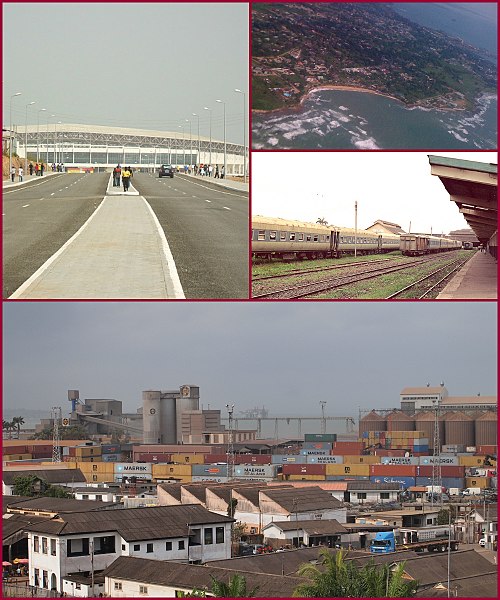
Sekondi-Takoradi, often referred to as the Twin-City, is the capital of the Western Region of Ghana. The city is situated on the Atlantic coast and lies about 220 kilometers west of Accra. Sekondi-Takoradi serves as a vital economic and commercial hub due to its strategic location, which includes a natural deep-water harbor, one of the largest in West Africa. The city was historically an important port for the export of goods, particularly cocoa, timber, and minerals, and has evolved into a center for maritime activities, shipping, and oil-related industries, especially following the discovery of offshore oil reserves.
The city is home to a diverse population, which contributes to its vibrant culture. As of the last census, Sekondi-Takoradi's population was estimated to be over 400,000 residents, encompassing various ethnic groups, with the Nkroful, Ahanta, and Fante being the predominant ones. Culture in Sekondi-Takoradi is expressed vividly through festivals, art, and music, with traditional performances being a key feature. The city boasts historical landmarks such as the old Sekondi Railway Station and the Fort Orange, a relic from the Dutch colonial period. Educational institutions, including the Takoradi Technical University, play a significant role in the community, providing skills training aligned with the region's industrial activities. With ongoing development projects and an increasing focus on tourism, Sekondi-Takoradi continues to attract investment and attention, contributing to its status as one of Ghana's rapidly growing urban centers.
Facts about Sekondi-Takoradi
- Sekondi-Takoradi is known as Ghana's twin city, where Sekondi is the capital of the Sekondi-Takoradi Metropolitan Area, and Takoradi serves as the municipal capital.
- The city is home to the historic Takoradi Harbour, which is one of the largest and busiest ports in Ghana, facilitating significant maritime trade.
- Sekondi-Takoradi is notable for its colonial history, featuring many preserved buildings from the British colonial era, contributing to its unique architectural landscape.
- The city holds the annual Western Region Trade Fair, promoting local businesses and showcasing products from across the Western Region of Ghana.
- Sekondi-Takoradi has a diverse cultural heritage that includes traditional festivals, particularly the Fetu Afahye festival celebrated by the people of Sekondi, highlighting their rich history and customs.
- It is a hub for oil and gas exploration in Ghana, with numerous international oil companies establishing operations due to its strategic coastal location.
- The area features the largest stadium in the Western Region, the Essipong Sports Stadium, which has hosted various national and international events.
- Sekondi-Takoradi is known for its vibrant beaches, including the popular Busua Beach, attracting tourists for relaxation and water activities.
- The city is distinctive for its mix of ethnic groups, primarily the Akan people, contributing to a rich diversity in language, food, and traditions.
- Sekondi-Takoradi has a growing educational infrastructure, including several universities and technical institutions, contributing to the region's development.