Selargius, Italy
- 23,285 people
- 13 places to visit
- 39.2598, 9.1628
Places to Visit (13)
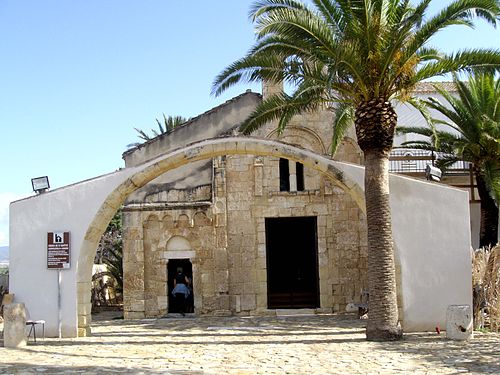
Selargius is a charming town located in the Metropolitan City of Cagliari, in the Sardinia region of Italy. Positioned just a few kilometers northeast of the capital, Cagliari, Selargius is well-integrated into the urban fabric of the region while maintaining its unique character and cultural heritage. With a population of approximately 25,000 residents, it is known for its picturesque landscapes, historical sites, and a vibrant community life. The town's origins date back to the Roman period, and it has significant archaeological findings, including ancient ruins and artifacts that reflect its long-standing history.
One of the notable features of Selargius is its traditional architecture, characterized by the use of local materials and vibrant colors. The town is famous for its historic churches, such as the Church of San Giuliano, showcasing beautiful frescoes and intricate designs that depict Sardinian heritage. Selargius is also known for its rich traditions, particularly its folk festivals and cultural events that highlight local music, dance, and gastronomy. The annual "Festa di San Lussorio" is a significant event that draws both locals and visitors, featuring processions, traditional costumes, and lively celebrations.
Economically, Selargius benefits from its proximity to Cagliari, with many residents commuting to the capital for work while maintaining a laid-back lifestyle in their hometown. The local economy is diverse, encompassing agriculture, small businesses, and services. The surrounding fertile lands contribute to the cultivation of various crops, including vegetables and fruits, which are integral to the local cuisine. Selargius also boasts a growing interest in tourism, attracting visitors with its historical sites, natural beauty, and local traditions, making it a delightful destination for exploring the authentic Sardinian experience.
Facts about Selargius
- Selargius is located in the Metropolitan City of Cagliari, Sardinia, and is known for its proximity to the capital city, Cagliari.
- The city has a rich archaeological history, with remnants of Nuragic civilization found in the vicinity, showcasing ancient structures like nuraghi.
- Selargius is famous for its traditional craft of 'pivil', a type of woven basket, which reflects the local artisanal heritage.
- The annual feast of Saint Michael, celebrated in late September, features a colorful procession with traditional costumes and music, highlighting the city's cultural identity.
- Selargius is recognized for the 'Sagra del Mirto', a festival celebrating the myrtle plant, integral to local traditions, including the production of mirto liqueur.
- The city boundaries encompass a significant portion of the Campidano plain, known for its agricultural production, particularly wheat and olive oil.
- Selargius is home to the Romanesque-style Church of San Giuliano, which dates back to the 13th century and is notable for its unique architecture.
- The municipality is involved in sustainable development practices, aiming to preserve its historical and natural heritage amid urban growth.
- Selargius hosts the local 'Mercato di Campagna Amica', a farmers' market that promotes the sale of local produce, connecting residents to their agriculture.
- Unlike many other Italian towns, Selargius prides itself on maintaining a blend of urban life with strong links to its rural roots and traditions.