Selm, Germany
- 27,540 people
- 8 places to visit
- 51.6903, 7.4654
Places to Visit (8)
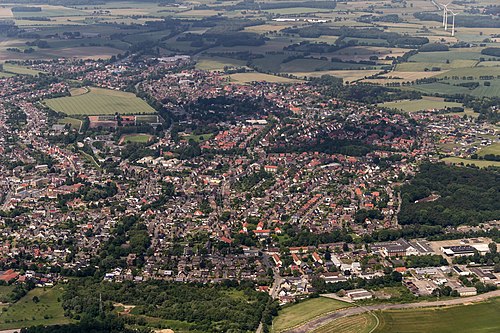
Selm is a town located in the North Rhine-Westphalia region of Germany, specifically within the district of Unna. With a population of approximately 14,000 residents, Selm is a relatively small but vibrant community that has grown from its historical roots as an agrarian settlement into a modern town with diverse economic activities. The town is situated near the Lippe River and is easily accessible via major highways, including the A1 and A2 autobahns, which connect it to major urban centers such as Dortmund and Münster. The local economy is supported by a mix of traditional industries and emerging businesses, making Selm a significant contributor to the regional economy.
Historically, Selm was first documented in the 13th century and has undergone various transformations over the centuries. The architecture reflects this rich history, with several historical buildings and churches, including the St. Vitus Church, which showcases Gothic and Romanesque elements. The town also emphasizes natural spaces, with numerous parks and recreational areas that cater to both residents and visitors. The surrounding countryside offers opportunities for hiking and cycling, further enhancing Selm’s appeal as a place to live and visit. Community events and cultural festivals, such as the annual Christmas market, strengthen local bonds and showcase the town's communal spirit. Overall, Selm presents a blend of historical charm and modern amenities, making it an attractive destination in North Rhine-Westphalia.
Facts about Selm
- Selm is home to the historic St. Bonifatius Church, which dates back to the 13th century, showcasing unique Romanesque architectural features.
- The city is known for its commitment to sustainability, being part of various green initiatives and having numerous parks and recreational areas.
- Selm was once a significant center for the production of traditional Westphalian ceramic goods, with a legacy that still influences local artisans today.
- The annual Selm Carnival is a vibrant event that attracts visitors from the surrounding regions, featuring parades, costumes, and traditional music.
- Selm's proximity to the Lippe River provides picturesque landscapes and opportunities for outdoor activities such as hiking and cycling.
- The city has a rich industrial history, particularly in the textile and manufacturing sectors, contributing to the local economy for decades.
- Selm hosts the International Selm Jazz Festival, which brings together musicians and fans from around the world to celebrate jazz music.
- The Selm Town Hall, built in the early 20th century, is a notable example of historicist architecture and serves as a central hub for local government.
- Culturally, Selm offers a range of local cuisine, with traditional Westphalian dishes that reflect the region's agricultural heritage.
- Selm is part of the Coesfeld district, which is known for its commitment to education, featuring several high-quality schools and vocational training centers.