Sendai, Japan
- 1,096,704 people
- 15 places to visit
- 38.2682, 140.8694
Places to Visit (15)
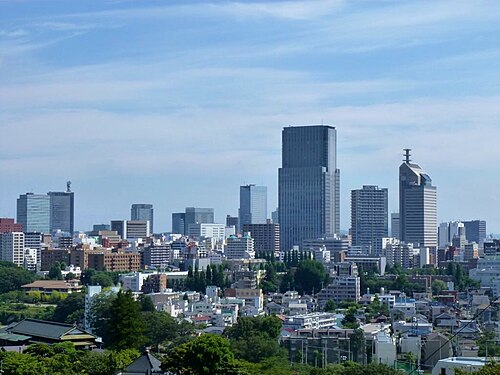
Sendai, located in the Miyagi Prefecture of Japan, is the largest city in the Tohoku region and serves as a significant cultural and economic hub. Founded in 1601 by the feudal lord Date Masamune, Sendai was designed as a castle town, characterized by its wide avenues and greenery, which earned it the nickname "City of Trees." The city's layout still reflects Masamune's vision, with Zelkova trees lining many streets. Sendai is also known for its historical landmarks, including the Sendai Castle ruins, where visitors can enjoy panoramic views of the city. The city experienced significant historical events, particularly during World War II, when it suffered extensive air raids, but it has since been rebuilt and revitalized.
Modern Sendai is a vibrant urban center with a population of approximately one million residents. It is renowned for its rich cultural traditions, which include the annual Sendai Tanabata Matsuri, a colorful summer festival based on the legend of Orihime and Hikoboshi. The city is also celebrated for its culinary delights, notably gyutan (grilled beef tongue) and zunda (sweet edamame paste). Sendai serves as a major transportation hub, with the Tohoku Shinkansen connecting it to Tokyo and other major cities, enhancing both domestic and international accessibility. Additionally, the city is home to several universities, research institutions, and a thriving tech industry, contributing to its economic development. Despite challenges, including the devastating earthquake and tsunami in 2011, Sendai has demonstrated resilience and continues to grow as a center for culture, education, and innovation in Japan. Throughout the year, visitors can explore Sendai's parks, museums, and historical sites, making it a picturesque destination that reflects the harmonious blend of tradition and modernity.
Facts about Sendai
- Sendai is known as the 'City of Trees' (Mori no Miyako) due to its abundant greenery and tree-lined avenues, especially the famous Zelkova trees along Jozenji-dori.
- The city was founded by the powerful daimyo Date Masamune in 1601, who is often referred to as the 'One-Eyed Dragon' of the North, and his legacy is deeply intertwined with Sendai's identity.
- Sendai is famous for its Tanabata Matsuri (Star Festival), celebrated in August and featuring vibrant decorations and festivities, different from the more widely recognized Tanabata celebrations in other parts of Japan.
- Sendai boasts several unique landmarks, including the ruins of Sendai Castle, also known as Aoba Castle, which was constructed by Date Masamune and offers stunning views of the city.
- The city is home to the Sendai Mediatheque, an architectural marvel designed by renowned architect Toyo Ito, which serves as a library, gallery, and community space.
- Sendai is famous for its local cuisine, particularly gyutan (grilled beef tongue), which originated in the city and has become a widely recognized delicacy in Japan.
- Sendai's proximity to the Pacific Ocean allows it to be a convenient hub for fresh seafood, especially during the annual seafood festival held in summer.
- The city plays an important role in the Tohoku region's annual cultural events, such as the Sendai Pageant of Starlight, featuring beautiful light displays and parades during winter.
- Sendai also produced several important figures in Japanese literature and culture, including Matsuo Basho, the famous haiku poet, who spent time in the area.
- Sendai suffered significant damage from the Great East Japan Earthquake in 2011 but has showcased remarkable resilience and revitalization efforts since then.