Senftenberg, Germany
- 28,988 people
- 9 places to visit
- 51.5204, 14.005
Places to Visit (9)
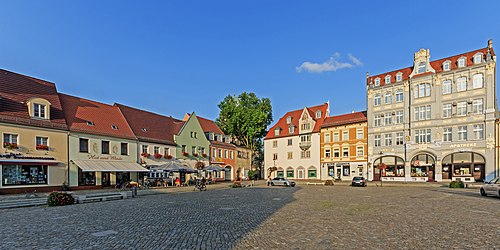
Senftenberg is a town located in the state of Brandenburg, Germany, situated approximately 20 kilometers northwest of Dresden in the district of Oberspreewald-Lausitz. With a population of around 20,000 residents, Senftenberg is characterized by its rich industrial history and its strategic position in the Lusatian region. Initially settled in the early Middle Ages, the town gained prominence in the 16th century when it became a center for the mining of lignite, a form of coal that significantly influenced its economic landscape. The Senftenberg lignite mining company played a crucial role in the industrialization of the area, leading to the growth of the town and surrounding communities.
In recent decades, Senftenberg has adapted to the decline of the coal industry, shifting its focus towards tourism, recreational activities, and sustainable development. The town is notable for the nearby Senftenberger See, a large artificial lake created from former mining activities. This lake has transformed into a popular destination for water sports, swimming, and other outdoor recreational activities, attracting both locals and visitors alike. The surrounding landscape, characterized by forests and parkland, further enhances the area’s appeal for outdoor enthusiasts.
Senftenberg also boasts a variety of cultural and historical attractions. The town’s historical center features well-preserved buildings, including the St. Afra’s Church, a significant religious structure with roots dating back to the 13th century. Local museums, such as the Museum of Local History, provide insights into the area’s past, showcasing artifacts from the mining industry and the evolution of the town through the centuries. In addition, Senftenberg hosts various annual events, celebrating local traditions and fostering community engagement. The blend of industrial heritage, natural beauty, and vibrant local culture makes Senftenberg a unique and interesting destination in Germany.
Facts about Senftenberg
- Senftenberg is known for its picturesque lake, Senftenberger See, which is a popular destination for water sports and recreation, distinguishing it from other towns lacking significant bodies of water.
- The city has a rich history in coal mining, particularly in the lignite industry, which has shaped its economy and landscape, setting it apart from regions with different industrial backgrounds.
- Senftenberg boasts a well-preserved medieval castle, the Senftenberg Castle, which dates back to the 13th century and serves as a cultural heritage site, unique for a town of its size.
- The city hosts the annual Kahnstechen, a traditional canoe race that celebrates local culture and attracts participants from all over Germany, making it a lively cultural hub during the events.
- Senftenberg is part of the Lusatia region, known for its Sorbian minority, which adds a unique cultural dimension through traditions, language, and festivals not found in many other German towns.
- The city features a unique blend of modern and innovative architecture alongside historic buildings, particularly noticeable in its urban development and city planning.
- Senftenberg underwent significant transformation after the fall of the Berlin Wall, transitioning from an industrial town to a modern community, which makes its development story interesting.
- Senftenberg is home to the Lower Lusatia Museum, which showcases the history and culture of the region, highlighting its distinct identity among German towns.
- The city is surrounded by numerous recreational areas and nature reserves, promoting outdoor activities while maintaining its unique ecological landscape.
- Senftenberg regularly hosts art and cultural festivals, contributing to its vibrant local scene and emphasizing the city’s commitment to arts, distinguishing it from quieter towns.