Sens, France
- 28,700 people
- 12 places to visit
- 48.2007, 3.2827
Places to Visit (12)
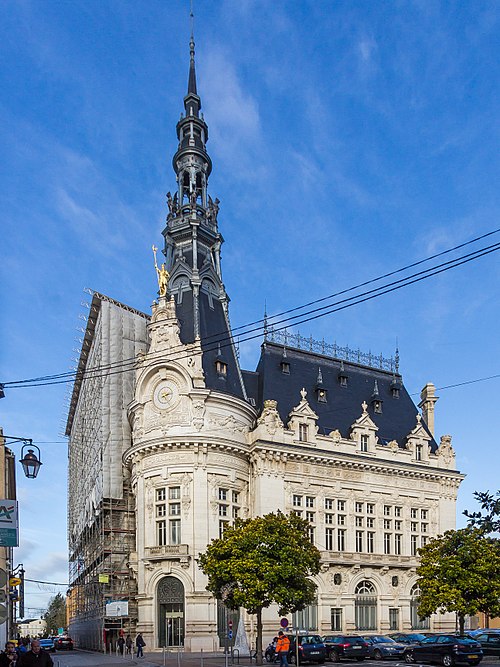
Sens is a commune located in the Yonne department in the Bourgogne-Franche-Comté region of north-central France. Renowned for its rich historical significance, Sens is one of the oldest towns in the region, tracing back over 2,000 years. It served as a major center during the Roman Empire, where it was known as "Agedincum." Its strategic location at the confluence of the Yonne and Suzon rivers made it a vital trade hub. The town is often celebrated for its stunning architectural heritage, particularly the Cathédrale Saint-Étienne, a prime example of early Gothic architecture. Although construction began in the 12th century, the cathedral was not completed until the 13th century, showcasing beautiful stained glass windows and intricate sculptures.
In addition to its architectural marvels, Sens has a rich cultural history. It played a pivotal role in the development of the Roman Catholic Church in France, being the site of the first Council of Sens in 314 AD. The city was also the birthplace of several notable figures, including the philosopher and theologian Pierre de la Vigne. Throughout its history, Sens has witnessed various transformations, including its demolition during the French Revolution, which changed the dynamics of both the church and local governance. Today, Sens is recognized not only for its historical landmarks but also for its vibrant local culture. The town hosts various festivals throughout the year, attracting both locals and tourists. Its picturesque streets are lined with cafes, shops, and markets, making it a charming destination for those interested in experiencing a blend of history and contemporary French life.
Facts about Sens
- Sens is one of the oldest towns in France, with origins dating back to Roman times, making it a significant historical site.
- The city is home to the Saint-Étienne Cathedral, a prime example of Gothic architecture, which is notable for its stained glass windows and impressive choir.
- Sens was an important religious center in the medieval period and served as the seat of the Archbishop of Sens, one of the most influential positions in the French church.
- The town is renowned for its unique town planning, characterized by its circular layout and the preservation of many ancient Roman structures.
- Sens is famous for its production of nougat, a traditional confectionery that has been made in the region for centuries.
- The city celebrates the Fête de la Saint-Jean every June, featuring a vibrant medieval festival with parades, artisans, and traditional performances.
- Sens played a significant role in the early development of the French monarchy; several kings were crowned in the city's cathedral.
- The annual 'Festival de Sens' showcases local culture, including music, theater, and art, distinguishing the city as a center for artistic expression.
- Sens is located at the confluence of the Yonne and the Seine rivers, contributing to its picturesque landscape and historical significance as a trade route.
- The city is part of the Burgundy-Franche-Comté region, known for its rich agricultural tradition, particularly in wine production.